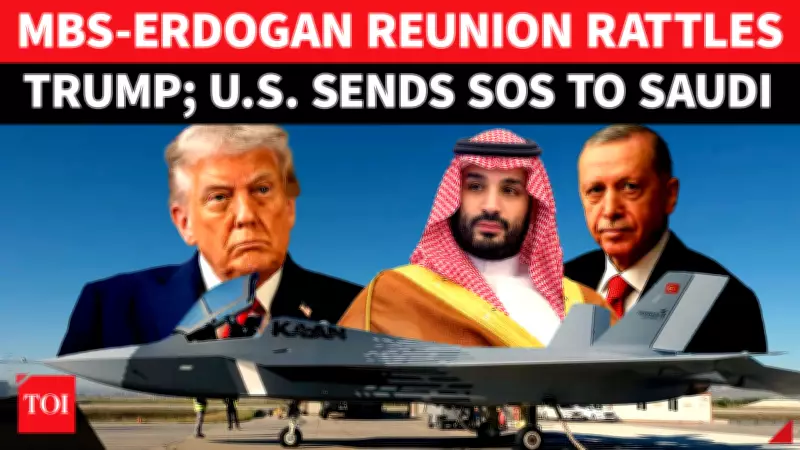
Saudi Arabia's Kaan Fighter Jet Negotiations With Turkey Irk Trump Administration
Reports of Saudi Arabia's interest in Turkey's next-generation Kaan fighter jet are sparking significant concerns within the Trump administration in Washington. The United States aims to maintain its position as the primary arms supplier to the kingdom, particularly following promises of advanced F-35 sales. However, Turkey is presenting an attractive alternative by offering co-production opportunities and technology transfers that align closely with Saudi Arabia's Vision 2030 economic diversification goals.
US Fears Over Diminishing Leverage in the Gulf
American officials are worried that this potential deal could dilute US leverage in the strategically vital Gulf region. With Israel's qualitative military edge at stake and regional alliances undergoing shifts, the ongoing Kaan talks have the potential to redefine US-Saudi defense relations. This development may also reshape power balances across the Middle East, introducing new dynamics in international arms trade and geopolitical influence.
Key factors driving Saudi interest include:

- Technology transfer that supports domestic industry growth under Vision 2030.
- Co-production agreements that reduce dependency on foreign suppliers.
- Strategic diversification away from sole reliance on US military hardware.
The Trump administration's response highlights a broader tension in US foreign policy, balancing arms sales with maintaining influence. As negotiations progress, the outcome could signal a significant shift in how Middle Eastern nations approach defense procurement and international partnerships.