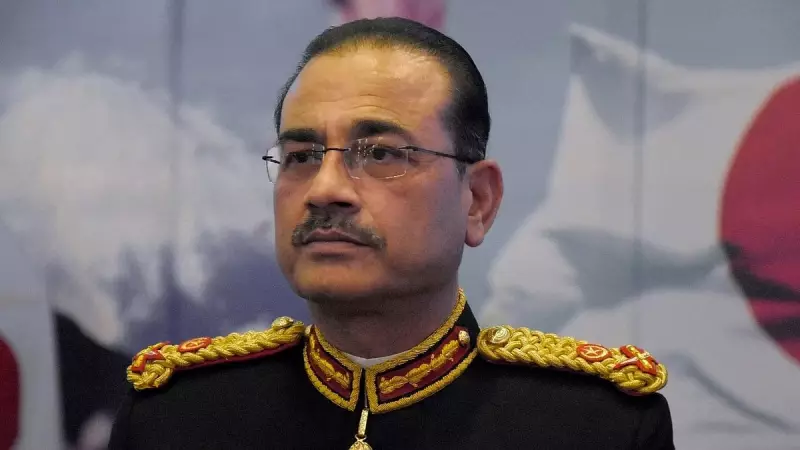
The geopolitical landscape of the Gulf is shifting, and a familiar figure from Pakistan is poised to gain significant influence, presenting a complex new challenge for Indian diplomacy and its vast diaspora in the region. According to veteran analyst K P Nayar, the evolving tensions between Saudi Arabia and the United Arab Emirates (UAE) are creating an opening for Pakistan's permanent representative to the United Nations, Munir Akram.
The Munir Akram Factor in Gulf Geopolitics
Munir Akram, a seasoned diplomat, is not a new player on the international stage. His deep understanding of the Islamic world and his assertive stance on issues often aligned with Gulf monarchies have earned him considerable respect in certain corridors of power. The original analysis, dated 02 January 2026, underscores a critical point: as Saudi Arabia and the UAE navigate a period of strategic divergence, both nations may seek influential intermediaries who can bridge gaps or advance their interests in multilateral forums like the UN.
In this scenario, Munir Akram's profile makes him a potentially valuable asset. His advocacy often resonates with the political and religious narratives important to the leadership in Riyadh. This growing relevance of a Pakistani diplomat in a region critical to India's energy security and home to millions of Indian expatriates is a development that demands New Delhi's close attention.

Direct Implications for India's Strategic Interests
The ramifications for India are multifaceted and serious. Firstly, the Indian diaspora in the Gulf, which numbers in the millions and is a vital source of remittances, could find itself in a subtly altered political environment. A diplomat like Munir Akram gaining greater sway could influence narratives concerning Kashmir and other bilateral issues within Gulf societies, potentially affecting the diaspora's standing.
Secondly, on the diplomatic front, India has worked diligently to cultivate strong, independent relationships with both Saudi Arabia and the UAE. The potential for a third party to gain enhanced influence in this delicate balance could complicate India's diplomatic manoeuvring. It may require New Delhi to recalibrate its engagement strategies to ensure its voice remains prominent and its interests protected amidst the changing Gulf dynamics.
A Call for Proactive Diplomacy
K P Nayar's analysis serves as a clarion call for Indian foreign policy to be proactive rather than reactive. The core argument is that India must wake up to this emerging reality. The nation cannot afford to view the Saudi-UAE tensions through a narrow bilateral lens but must anticipate the secondary and tertiary effects, including the empowerment of actors whose interests may not align with India's.
The situation calls for a reinforced and nuanced diaspora outreach program and an even more vigorous high-level diplomatic engagement with the Gulf states. The goal must be to insulate the robust India-Gulf relationship from external influences that seek to leverage regional disagreements. India's historical ties, economic heft, and the contributions of its diaspora provide a strong foundation, but as the analysis warns, strategic vigilance is now paramount.
In conclusion, the evolving rift between key Gulf partners is more than a regional issue; it is a development with direct consequences for Indian security and prosperity. The rising star of Munir Akram in this context is a symptom of these larger shifts, representing a specific and sophisticated challenge that India's diplomatic corps must be prepared to address with foresight and agility.