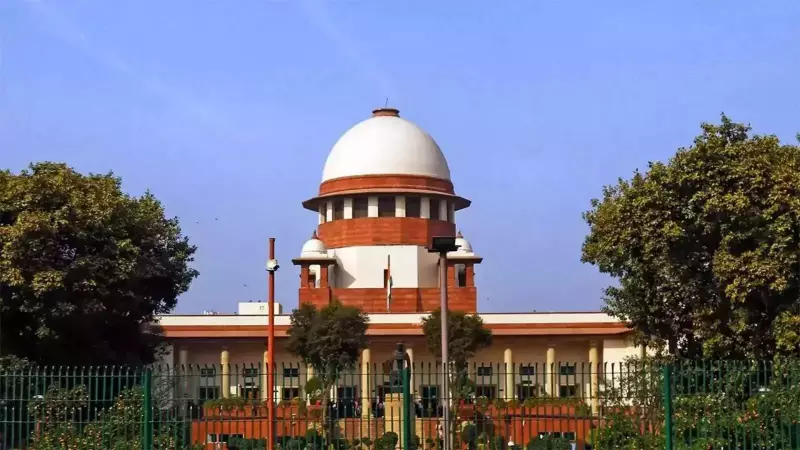
Supreme Court Mandates Binding Rules for RTE Quota Implementation
On January 13, 2026, the Supreme Court delivered a landmark judgment that transforms how India implements the Right to Education Act's 25 percent quota. The Court declared that existing guidelines lack legal force and directed all state governments and Union Territories to frame binding rules under the Act. This move aims to ensure admissions, seat transparency, parental assistance, and grievance redress become systematic rather than discretionary.
From Petition to Systemic Reform
The ruling originated from a petition filed by Dinesh Biwaji Ashtikar against the State of Maharashtra. In 2016, Ashtikar sought admission for his children under the free-education quota at a neighborhood school. Despite RTI information revealing 648 vacant seats, the school did not respond to his application. The High Court dismissed his plea, citing procedural lapses, even though a primary education officer had recommended admission on humanitarian grounds due to the family's poverty and proximity to the school.
The Supreme Court acknowledged that individual relief was no longer feasible due to time elapsed. However, it refused to let the State evade responsibility. Instead, the Court used the case to highlight systemic failures where fundamental rights get lost in bureaucratic processes, language barriers, and opaque systems.

Key Directives from the Supreme Court
The judgment outlines several critical measures to strengthen RTE implementation:
- Enforceable Rules Required: States must create formal rules under the RTE Act, replacing informal guidelines that lack legal standing. These rules must define clear responsibilities, timelines, and accountability mechanisms.
- NCPCR Monitoring: The National Commission for Protection of Child Rights will track state compliance. It must file an affidavit by March 31, 2026, with the matter returning to court on April 6.
- Transparent Seat Disclosure: Schools must publicly disclose the number of available 25 percent seats before admissions begin, preventing parents from applying blindly.
- Mandatory Helpdesks: Assistance mechanisms must be established to help parents navigate eligibility, documentation, and procedures, especially in online systems.
- Language Accessibility: Forms and instructions must be available in local languages to ensure comprehension for all families.
- Error Correction Window: Systems must allow parents to correct minor application errors rather than rejecting them outright.
- Reasoned Rejections: Schools must provide written explanations for denying admissions, enabling parents to challenge decisions.
- Vacant Seat Scrutiny: Authorities must investigate why reserved seats remain unfilled, addressing systemic barriers rather than assuming lack of demand.
Implications for Parents and Education System
This judgment reframes the 25 percent RTE quota as a binding legal obligation, not a flexible policy. It shifts focus from mere statutory existence to practical enforcement. For parents, denial of admission now represents a systemic failure rather than an administrative lapse.
The Court's emphasis on uniformity aims to eliminate district-by-district variations that have long hindered access. By mandating rules with legal force, it ensures that rights can be legally enforced rather than remaining subject to bureaucratic interpretation.
The inclusion of NCPCR monitoring creates an accountability channel beyond typical government assurances, keeping the issue under judicial oversight. This addresses India's historical tendency to acknowledge court judgments without implementing them fully.
Looking Forward
The Supreme Court's directive comes as a response to years of inconsistent RTE implementation. By setting a March 2026 deadline for rule-framing and requiring regular compliance updates, it introduces urgency into a process often marked by delay.

For millions of underprivileged families, this judgment promises a more transparent, accessible, and accountable system. It recognizes that childhood cannot wait for bureaucratic processes to catch up with legal promises. The real test will be whether states translate this judicial mandate into tangible changes on the ground.