Sri Lankan parliamentarian and former Chief Justice C. V. Vigneswaran has sounded a stark alarm during his visit to India, stating that the Tamil community in Sri Lanka is progressively losing its traditional lands. The veteran politician highlighted what he described as a systematic effort by the state to alter the demographic composition of the Tamil-majority Northern and Eastern Provinces.
A Dire Warning from a Former Chief Justice
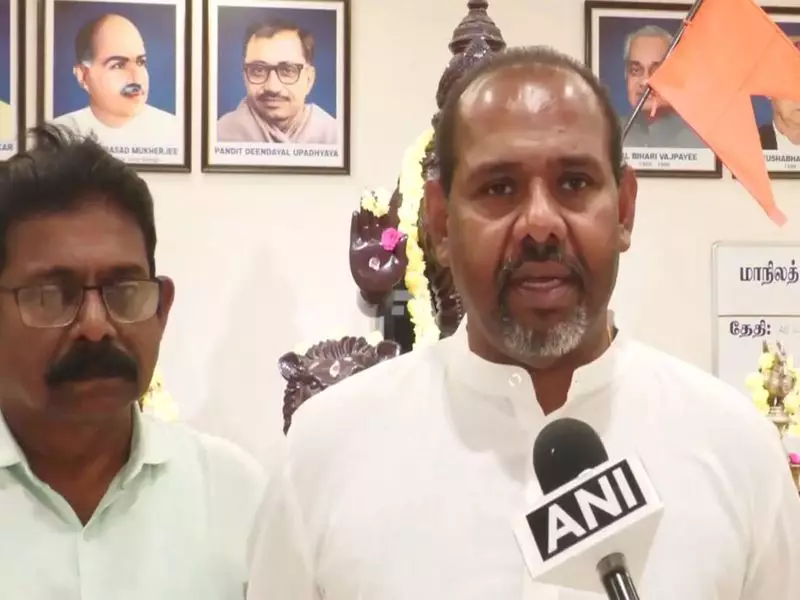
Vigneswaran, who leads the Tamil Makkal Kootanai party and represents the Jaffna District, met with Indian officials and media in New Delhi to outline the pressing concerns. He emphasized that the issue of land rights is central to the survival of Tamil identity in Sri Lanka. The MP accused the Sri Lankan government of using various legal and administrative mechanisms to seize land from Tamils and redistribute it to Sinhalese settlers and for military installations.
"We are losing our land," Vigneswaran stated bluntly, framing it not as an isolated problem but as a continuous process undermining the community's根基. He pointed to specific areas like the Eastern Province, where he claims land is being taken over for forest reserves, archaeological projects, and high-security zones, effectively displacing the local Tamil population.

The Call for India's Proactive Role
A significant part of Vigneswaran's appeal during his India trip was directed at New Delhi. He urged the Indian government to leverage its influence with Colombo to ensure the full implementation of the 13th Amendment to the Sri Lankan Constitution. This amendment, a product of the 1987 Indo-Sri Lanka Accord, promises devolution of power to provincial councils, a measure seen as crucial for Tamil autonomy.
"India has a moral responsibility," the MP asserted, reminding audiences of the historical context of the accord. He expressed disappointment that successive Sri Lankan governments have failed to honor the spirit of devolution, leaving the amendment largely ineffective in safeguarding Tamil political and land rights. Vigneswaran's meetings in India aimed to reinvigorate diplomatic pressure on this front.
Broader Context of Minority Grievances
Vigneswaran's warnings extend beyond just land. He connected the land issue to a wider pattern of marginalization faced by the Tamil community in the post-civil war era, which ended in 2009. He listed several unaddressed grievances:
- Inadequate progress on accountability for wartime disappearances.
- Continued militarization of the Northern and Eastern provinces.
- Ongoing challenges in resettling internally displaced persons (IDPs).
- The perceived lack of political will to achieve genuine reconciliation.
The MP argued that the loss of land is the most tangible and damaging manifestation of these unresolved issues, threatening the very cultural and economic fabric of the Tamil homeland.
Vigneswaran's visit and his stark message underscore the persistent and volatile nature of ethnic reconciliation in Sri Lanka. His direct appeal to India highlights the enduring expectation within the Sri Lankan Tamil community that New Delhi remains a key stakeholder in their quest for equality and justice. The situation continues to be a sensitive factor in the complex bilateral relationship between India and Sri Lanka, with implications for regional stability. The response from Indian policymakers to this latest appeal will be closely watched by all communities on the island.