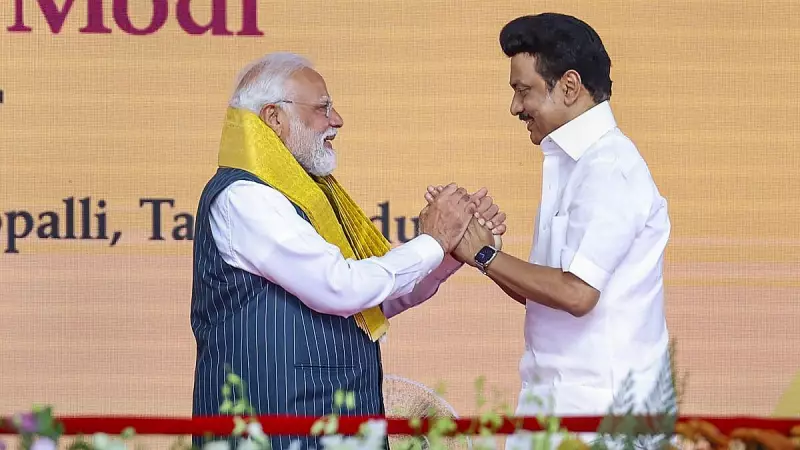
Tamil Nadu Chief Minister M.K. Stalin has made a direct appeal to Prime Minister Narendra Modi, urging the Indian government to ensure the protection of minority rights, particularly those of the Sri Lankan Tamil community, in Sri Lanka's upcoming new constitution.
Stalin's Direct Appeal to the Prime Minister
In a significant diplomatic move, Chief Minister Stalin has written to Prime Minister Modi, highlighting the critical situation. The appeal, dated 11 January 2026, is based on detailed representations received by the Tamil Nadu government. These reports outline the grave risks that the ongoing constitutional reform process in Sri Lanka poses to the island nation's Tamil minority community.
The Core Concern: Safeguarding Minority Rights
The central plea from Chennai is for New Delhi to use its diplomatic influence with the Sri Lankan government. Stalin has requested that PM Modi ensure the rights of all minorities, with a specific focus on the Tamil community, are firmly enshrined and guaranteed within the framework of the new Constitution. This intervention is seen as crucial to prevent any potential marginalisation or dilution of minority protections during the reform process.

The Chief Minister's action underscores the continued political and emotional investment of Tamil Nadu in the welfare of Tamils living in Sri Lanka. The state has historically played a pivotal role in shaping India's policy towards its southern neighbour, especially concerning ethnic reconciliation and rights.
Implications for India-Sri Lanka Relations
This appeal places the issue of minority rights squarely on the bilateral agenda between India and Sri Lanka. It calls for proactive Indian diplomacy at a sensitive time when Sri Lanka is undertaking major constitutional revisions. The outcome of this process is being closely watched in India, not just as a foreign policy matter but as a issue of direct concern to a key Indian state and its leadership.
The ball is now in the court of the Indian central government to consider how to effectively convey these concerns to Colombo while balancing the broader strategic relationship with Sri Lanka. The development highlights the complex interplay between India's domestic politics and its international diplomacy.