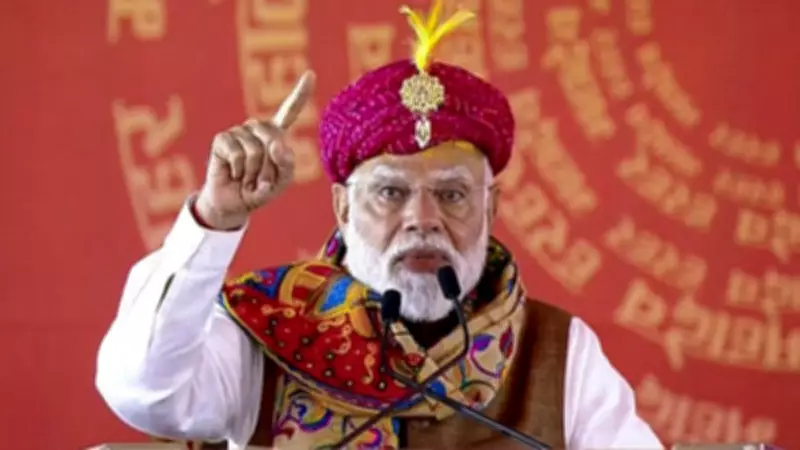
As Prime Minister Narendra Modi calls for conserving foreign exchange, India is exploring several measures to stabilize the rupee and bolster dollar inflows. The Reserve Bank of India (RBI) has already sold dollars from its foreign exchange reserves to defend the currency, cracked down on rupee arbitrage trades, and is considering additional steps.
Diaspora Deposits and Bonds
One key measure is encouraging diaspora deposits and bonds. Non-resident Indians (NRIs) can be incentivized through special deposit schemes offering attractive interest rates, similar to the Resurgent India Bonds and India Millennium Deposits used in the past. These instruments help bring in foreign currency without adding to external debt.
Capital Account Easing
The government could ease capital account norms to attract more foreign investment. This includes raising limits on foreign portfolio investment in debt and equity, simplifying procedures for foreign direct investment (FDI), and allowing more sectors for automatic approval. Such steps can increase capital inflows and support the rupee.

Curbing Imports
Reducing non-essential imports can significantly conserve foreign exchange. The government may impose higher tariffs on luxury goods, restrict gold imports, and promote domestic alternatives. These measures would lower the demand for dollars and help narrow the trade deficit.
Re-routing Dollar Demand from Oil Firms
Oil marketing companies are major dollar buyers. The RBI could direct them to source dollars from a single window or through state-run banks to reduce volatility. Alternatively, they could be allowed to defer dollar purchases or use hedging mechanisms to smooth demand.
Tighter Overseas Remittance Limits
Under the Liberalised Remittance Scheme (LRS), individuals can remit up to $250,000 per year. Temporarily lowering this limit or imposing restrictions on certain types of remittances (e.g., for property purchases abroad) could reduce dollar outflows. However, this must be balanced with the needs of students and medical travelers.
Monetary Policy Defence
The RBI can use monetary policy tools like interest rate hikes to attract foreign capital and curb inflation. Higher rates make rupee-denominated assets more attractive, boosting inflows. Additionally, the central bank can conduct open market operations to manage liquidity and support the currency.
These measures, if implemented prudently, can help India conserve foreign exchange and maintain stability in the face of global headwinds.