Bangladesh's Teesta Visit with Chinese Envoy Raises Indian Security Concerns
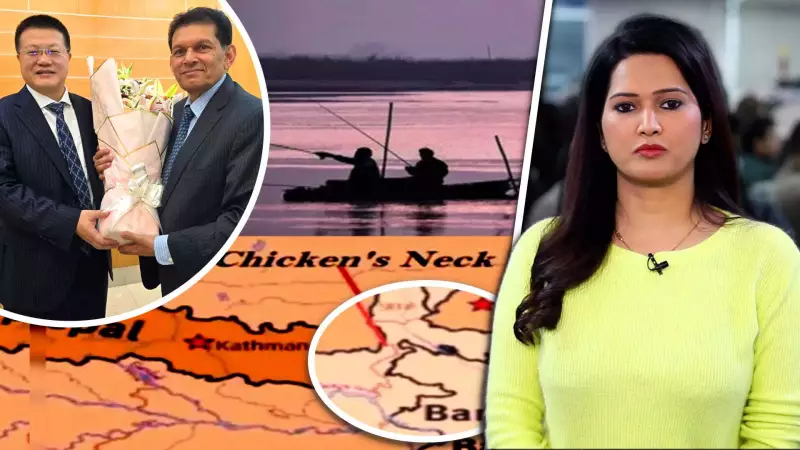
Bangladesh's government, led by Prime Minister Sheikh Hasina, recently took China's ambassador on a tour near the Teesta river project. This move has rekindled deep-seated fears in India about the strategic vulnerability of the Chicken's Neck region. The site lies perilously close to this narrow corridor that connects India's northeastern states to the mainland.
Official Statements and Underlying Tensions
Bangladeshi officials insist the visit was purely technical, with no political undertones. They claim it focused on infrastructure development and bilateral cooperation. However, Indian authorities remain unconvinced. They view the timing and location as highly provocative, given the area's extreme sensitivity.
The visit follows controversial remarks by Nobel laureate Muhammad Yunus regarding India's Northeast. It also coincides with a noticeable increase in Chinese engagement across Bangladesh. China is actively involved in multiple infrastructure projects and has been participating in security dialogues with Dhaka.

Compounding Security Threats
This diplomatic gesture arrives amid other troubling developments. Recent intelligence reports highlight renewed extremist threats targeting India's eastern states. There are also allegations of militant groups regrouping in the border regions. These factors combine to create a worrisome security landscape.
New Delhi has so far avoided public escalation or harsh rhetoric. Officials have maintained a measured diplomatic stance. Yet, the underlying message from India is clear and firm. They emphasize that geography and geopolitics are inextricably linked in this volatile area.
The Weight of Symbolism in Strategic Zones
In the Chicken's Neck region, even symbolic actions carry significant strategic weight. The narrow Siliguri Corridor, often called the Chicken's Neck, is a critical lifeline for India. It measures only about 22 kilometers wide at its narrowest point. Any perceived threat to this area directly impacts national security.
India monitors all foreign activities near this corridor with heightened vigilance. The Chinese ambassador's proximity to Teesta, therefore, sets off alarm bells in security circles. Analysts point out that such visits can be interpreted as strategic signaling, regardless of official explanations.
Bangladesh's growing ties with China present a complex challenge for Indian diplomacy. While Dhaka seeks to balance relations with both neighbors, India worries about potential encirclement. The Teesta visit underscores these delicate geopolitical dynamics. It highlights how infrastructure projects in border areas can have far-reaching security implications.
Moving forward, India is likely to enhance its diplomatic outreach to Bangladesh. They will aim to address concerns while safeguarding their strategic interests. The situation demands careful navigation to prevent misunderstandings from escalating into larger tensions.