Anti-War Protests Erupt in Tel Aviv Amid Escalating Iran Conflict
In a dramatic display of dissent, anti-war protests have broken out in Tel Aviv as Israeli activists gathered to voice opposition to the ongoing conflict with Iran and Lebanon. The demonstrations, which saw clashes with police, highlight growing internal divisions within Israel as the regional war intensifies.
Clashes Outside U.S. Diplomatic Facility
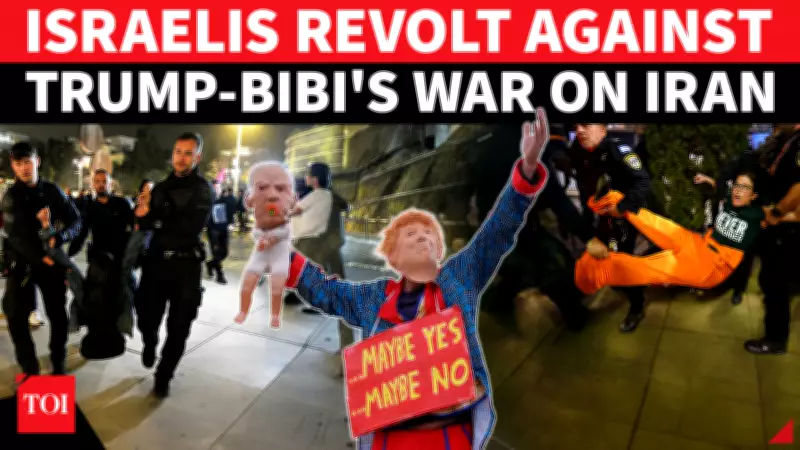
Protesters converged outside the United States embassy in Tel Aviv, directing their anger at President Trump's war policy toward Iran. The gathering quickly turned tense as Israeli police moved to disperse the crowd under strict wartime restrictions that limit public assemblies. Despite the heavy police presence, demonstrators persisted in their calls for peace and an end to the military escalation.
Arrests and Missile Sirens Amid Protests
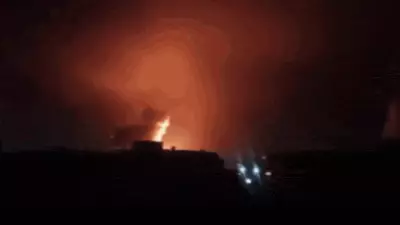
Simultaneous protests at Habima Square resulted in multiple arrests as authorities enforced security measures. The demonstrations unfolded against an ominous backdrop of missile sirens sounding across the city, underscoring the immediate security threats facing Israel even as citizens take to the streets demanding diplomatic solutions.

Supreme Court Eases Restrictions on Gatherings
In a significant development, Israel's Supreme Court has partially eased restrictions on public gatherings, allowing for larger assemblies than previously permitted under wartime emergency measures. This judicial intervention comes as the protest movement gains momentum, with citizens increasingly vocal about their opposition to continued military action.
Growing Internal Divisions in Wartime Israel
The Tel Aviv protests reveal deepening fractures within Israeli society as the conflict with Iran escalates. While the government maintains its security-focused approach, a growing segment of the population is demanding alternative paths to peace. These internal tensions emerge even as Israel faces ongoing strikes and security threats across the region, creating a complex domestic landscape amid international conflict.
The demonstrations represent one of the most visible expressions of anti-war sentiment in Israel since the current conflict began, with protesters explicitly linking their actions to U.S. foreign policy decisions under President Trump. As missile sirens continue to sound and regional tensions remain high, these protests signal that the human cost of war is becoming increasingly difficult for some Israelis to accept, even as security concerns persist.