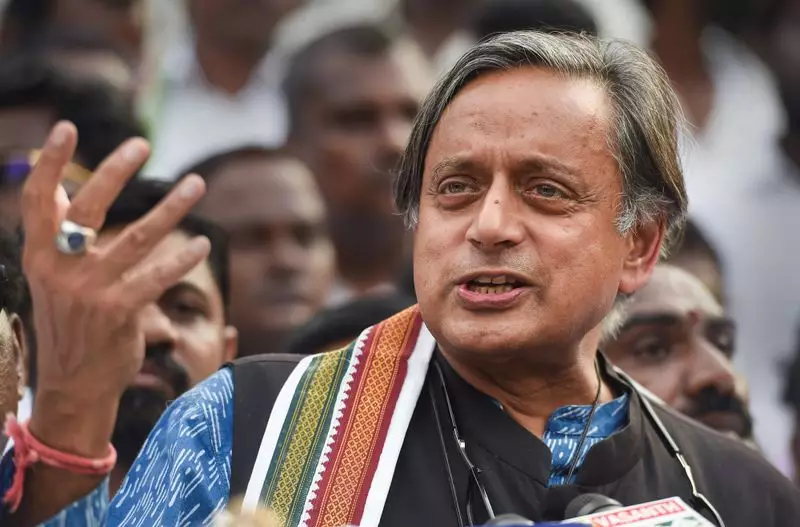
Senior Congress leader and Member of Parliament, Shashi Tharoor, has offered a vivid glimpse into the diplomatic dinner hosted by Russian President Vladimir Putin for Prime Minister Narendra Modi during his recent two-day visit to Moscow. Tharoor described the atmosphere at the event as notably warm and engaging, highlighting the personal rapport between the two leaders.
A Firsthand Account of Kremlin Diplomacy
Shashi Tharoor, known for his diplomatic acumen and literary flair, provided his perspective on the high-profile banquet through a social media post. He emphasized that the setting fostered meaningful interaction, moving beyond formalities. The event took place on Tuesday, July 9th, 2024, as part of PM Modi's official visit, which marked his first trip to Russia since the onset of the Ukraine conflict.
Tharoor's observations shed light on the nuanced nature of international diplomacy, where such informal gatherings often serve as crucial platforms for dialogue. His comments come at a time when India's foreign policy and its balancing act between Western allies and traditional partners like Russia are under global scrutiny.

The Significance of the Modi-Putin Meeting
The Prime Minister's visit to Russia held substantial geopolitical importance. It was his first bilateral visit after assuming office for a third consecutive term. The discussions between Modi and Putin covered a broad spectrum of issues, including trade, energy cooperation, and regional stability.
The banquet, as described by Tharoor, appears to have been a key component of the visit's diplomatic choreography. Such events are designed to strengthen personal bonds between leaders, which can significantly influence state-to-state relations. Tharoor's characterization of the atmosphere as "warm" suggests a level of comfort and openness in the exchange, despite the complex international backdrop.
Reactions and Broader Implications
Tharoor's remarks have sparked discussions in political and diplomatic circles. By acknowledging the positive tone of the engagement, the Congress MP has, in a way, underscored the bipartisan nature of India's core foreign policy interests. Maintaining a strong and stable relationship with Russia remains a strategic priority for New Delhi, irrespective of the ruling party.
The visit, and the subsequent descriptions of its cordial events, reinforce several key points about India's foreign policy stance:
- Strategic Autonomy: India continues to pursue an independent foreign policy path, engaging with all major powers based on national interest.
- Time-Tested Partnership: The India-Russia relationship, built over decades, retains its significance in areas like defense and energy.
- Diplomatic Outreach: High-level visits and personal diplomacy remain central tools for navigating a multipolar world order.
While the world watches the Ukraine situation closely, India's engagement with Russia demonstrates its commitment to dialogue and diplomacy. Accounts like Tharoor's provide the public with a rare insight into the human element behind the headlines of geopolitics.