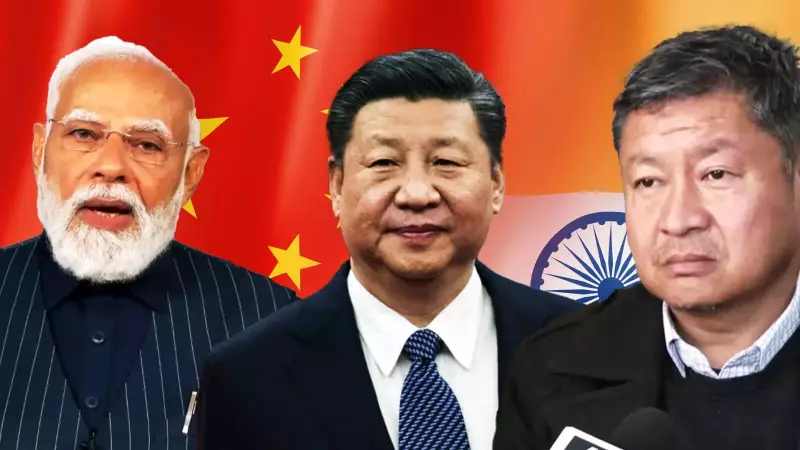
Tibetan Exile Government Urges India to Recognize China's Colonial Strategy
The Tibetan government-in-exile has made a direct appeal to India. They want India to understand the mindset behind China's recent actions. Officials describe Beijing as a colonial power. This call comes at a time of escalating border tensions between India and China.
Spokesperson Issues Warning from Dharamshala
Spokesperson Tenzin Lekshay spoke to ANI from Dharamshala. He explained China's behavior since occupying Tibet in 1959. Lekshay said China consistently creates instability. This instability affects not only the India-Tibet border but also neighboring regions extending toward Pakistan.
Beijing deliberately labels borders as disputed, according to the spokesperson. He claims this is a strategic move. China uses these labels to exert pressure on other nations. Lekshay pointed to specific incidents as evidence of a clear pattern.

Pattern of Aggression Cited in Border Conflicts
The spokesperson mentioned several key conflicts. He cited the Galwan Valley clash. He also referenced the Doklam standoff. Lekshay highlighted the Shaksgam Valley issue. According to him, these moves follow a consistent pattern of Chinese aggression.
China will continue attempts to malign and destabilize India, Lekshay warned. He stressed the importance of India's response. India must address the underlying colonial mindset driving Beijing's actions. This understanding is crucial for India's strategic planning.
Historical Context and Regional Implications
The Tibetan government-in-exile traces China's actions back to 1959. That is when China occupied Tibet. Since then, Beijing has pursued policies that create regional instability. The effects extend beyond direct border areas.
Lekshay emphasized how China's actions impact neighboring regions. The instability reaches toward Pakistan. This creates broader security concerns for the entire region. The spokesperson's comments come amid ongoing diplomatic tensions.
India faces continuous pressure along its northern borders. The Tibetan exile government believes recognizing China's colonial mindset is essential. This recognition could help India develop more effective counterstrategies. The warning serves as both analysis and call to action for Indian policymakers.