

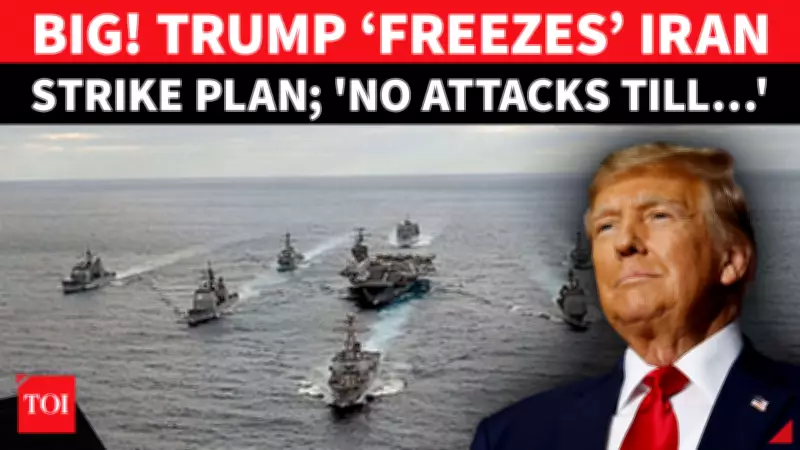
Trump Postpones Planned Military Strikes on Iran Following 'Productive' Negotiations
In a significant development that could signal a shift in Middle East tensions, US President Donald Trump has announced a five-day delay of planned military strikes against Iran. The decision comes after what the President described as "productive" talks between the two nations, though the exact nature and participants of these discussions remain undisclosed.
A Temporary Pause Amidst Ongoing Regional Volatility
While this move represents a potential step toward de-escalation, the situation remains fraught with danger and uncertainty. The Strait of Hormuz continues to be a flashpoint, with Iran maintaining its capability to disrupt this crucial global oil shipping route. Global oil markets have reacted sharply to the ongoing crisis, experiencing significant volatility as traders respond to each development in the tense standoff.
Iranian officials have issued stern warnings about potential retaliation should military action proceed, creating an atmosphere where any miscalculation could trigger broader conflict. The region remains on high alert as military forces maintain their positions and readiness levels.

Broader Regional Implications and Unanswered Questions
The postponement raises critical questions about whether this represents genuine progress toward peaceful resolution or merely a tactical pause before more significant confrontation. Regional analysts are closely monitoring whether this delay will lead to substantive diplomatic breakthroughs or simply provide both sides time to reposition their military assets.
Several factors complicate the situation, including Iran's advanced military capabilities, the involvement of proxy forces throughout the region, and the complex web of international alliances that could be drawn into any escalation. The coming days will be crucial in determining whether this temporary reprieve evolves into lasting de-escalation or proves to be merely an interlude in an ongoing crisis.
Global Economic and Security Ramifications
The international community is watching developments with particular concern given the potential economic and security implications. The Strait of Hormuz serves as a transit point for approximately one-fifth of the world's oil supply, meaning any disruption would have immediate global economic consequences. Energy markets have already demonstrated extreme sensitivity to developments in the region.
Beyond economic considerations, the situation carries significant implications for global security architecture and international norms regarding conflict resolution. The manner in which this crisis unfolds could establish precedents affecting future international disputes and the role of military versus diplomatic solutions.
As the five-day window progresses, world leaders and diplomatic channels are expected to intensify their efforts to find a sustainable resolution. The ultimate outcome will likely depend on whether both sides can identify sufficient common ground to justify extending the pause into a more permanent diplomatic process.






