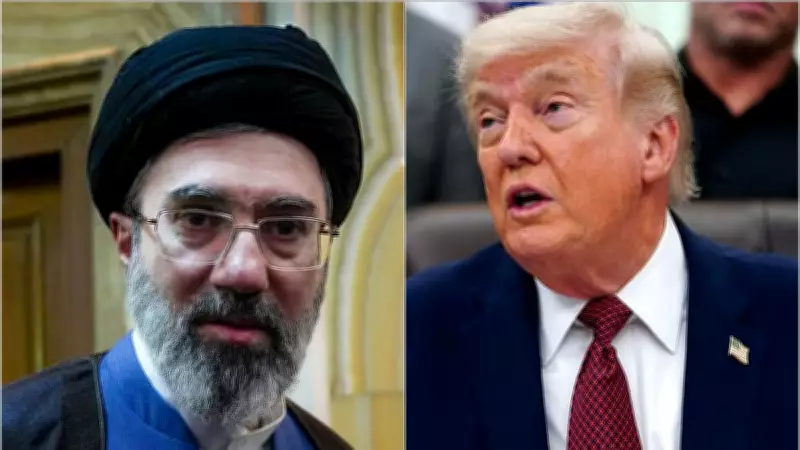
Trump Extends Iran Ceasefire in Move Seen as Strategic Pause
Former United States President Donald Trump has opted to extend the ongoing ceasefire with Iran, a decision that has sparked significant analysis and debate among foreign policy experts. This move, which comes amid persistent tensions in the Middle East, is widely interpreted as a strategic pause rather than a concession, with many observers noting that it reflects a calculated approach to international diplomacy.
Background of the Ceasefire Extension
The ceasefire between the US and Iran, initially established to de-escalate hostilities, has been prolonged under Trump's directive. This extension aims to maintain a temporary calm while both nations navigate complex geopolitical challenges. The decision underscores the volatile nature of US-Iran relations, which have been marked by decades of mistrust and conflicting interests.
Key factors influencing this extension include:

- Ongoing nuclear negotiations: Efforts to revive the Joint Comprehensive Plan of Action (JCPOA) remain stalled, necessitating a cautious approach.
- Regional stability concerns: The ceasefire helps prevent further escalation in a region already fraught with conflicts.
- Domestic political considerations: Trump's decision may also be influenced by upcoming electoral dynamics in the US.
Analysts' Perspectives on the Strategic Implications
Foreign policy analysts have weighed in on the ceasefire extension, with many viewing it as a tactical maneuver. "This is not a sign of weakness," noted one expert. "Rather, it's a strategic blink that allows for reassessment without losing ground." The pause provides both sides an opportunity to evaluate their positions and potentially explore diplomatic avenues, though skepticism remains high regarding long-term resolutions.
The extension has also raised questions about the future of US foreign policy in the Middle East. Some analysts argue that this move could pave the way for renewed dialogue, while others warn that it may merely delay inevitable confrontations. The complexity of Iran's regional influence and its nuclear ambitions continues to be a central issue in these discussions.
Global Reactions and Potential Outcomes
International reactions to the ceasefire extension have been mixed. Allies in the region have expressed cautious optimism, hoping it leads to reduced tensions. However, critics point out that without substantive progress on core issues, such as Iran's nuclear program and its support for proxy groups, the ceasefire may prove temporary.
Potential outcomes of this strategic pause include:
- Enhanced diplomatic engagement: The extension could create space for backchannel talks or multilateral negotiations.
- Increased military preparedness: Both nations might use this time to bolster their defensive capabilities.
- Impact on global oil markets: Stability in the region often correlates with oil price fluctuations, affecting economies worldwide.
In conclusion, Trump's decision to extend the ceasefire with Iran represents a nuanced approach to a longstanding conflict. While it offers a brief respite from hostilities, the underlying tensions persist, and the path forward remains uncertain. This strategic pause highlights the intricate balance of power and diplomacy in international relations, with implications that extend far beyond the immediate region.