

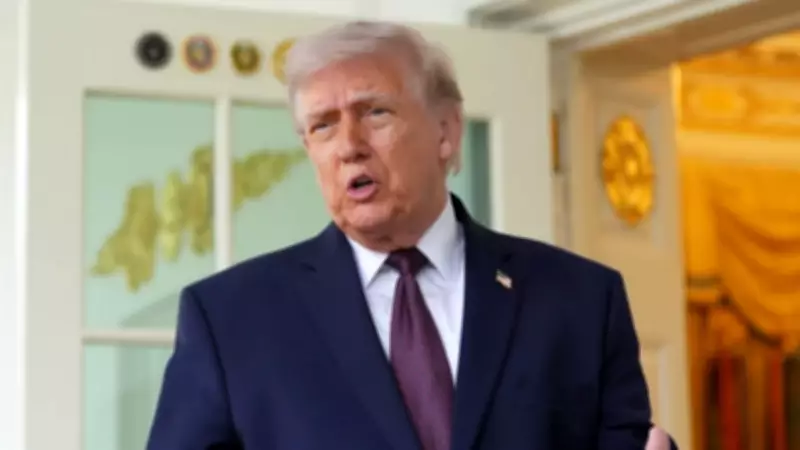
Trump Signals Potential Diplomatic Breakthrough with Iran, Possibly in Pakistan
In a notable development that could reshape Middle Eastern geopolitics, former United States President Donald Trump has publicly hinted at the possibility of a second round of high-stakes talks with Iran. According to his recent statements, these critical negotiations might be scheduled to take place in Pakistan over the next two days, signaling a potential thaw in long-standing tensions between Washington and Tehran.
Trump's Cryptic Remarks Spark Speculation
During a press interaction, Trump made intriguing comments, stating, 'Something could be happening' regarding diplomatic engagements with Iran. This vague yet suggestive remark has ignited widespread speculation among international observers and policymakers. The former president's allusion to Pakistan as a potential venue adds a new dimension to the ongoing efforts to address nuclear concerns, regional stability, and bilateral relations between the US and Iran.
Pakistan's Role as a Mediator in Focus
If confirmed, hosting these talks would position Pakistan as a key mediator in one of the world's most volatile diplomatic arenas. Pakistan, with its strategic location and historical ties to both Western powers and Middle Eastern nations, could provide a neutral ground conducive to productive dialogue. This move aligns with broader trends in global diplomacy where third-party countries often facilitate negotiations to de-escalate conflicts.

- The second round of talks with Iran is tentatively planned for the immediate future, within a two-day window.
- Pakistan is being considered as the host nation for these discussions, highlighting its growing diplomatic clout.
- Trump's comments suggest behind-the-scenes preparations are underway, though official confirmations are pending.
Implications for US-Iran Relations and Global Security
The prospect of renewed talks comes amid a backdrop of persistent friction over Iran's nuclear program, regional proxy conflicts, and economic sanctions. A successful dialogue could pave the way for:
- Enhanced cooperation on nuclear non-proliferation agreements.
- Potential easing of sanctions, impacting global oil markets and economic stability.
- Improved security dynamics in the Middle East, affecting allies and adversaries alike.
Experts caution that while Trump's hints are promising, the path to a substantive agreement remains fraught with challenges. Historical precedents, such as the 2015 Iran nuclear deal and its subsequent unraveling, underscore the complexity of such negotiations. Stakeholders, including European powers, China, and Russia, will be closely monitoring these developments for their own strategic interests.
Looking Ahead: What to Expect in the Coming Days
As the international community awaits further details, all eyes are on Pakistan and its diplomatic channels. The next 48 hours could prove pivotal in determining whether these talks materialize and what agenda items are prioritized. Trump's role, despite his current non-governmental status, continues to influence foreign policy discourse, reflecting the enduring impact of his presidency on global affairs.
In summary, Donald Trump's revelation about potential Iran talks in Pakistan injects a fresh wave of optimism into a strained relationship. While uncertainties persist, the mere possibility of dialogue offers a glimmer of hope for de-escalation and progress on critical international issues.






