

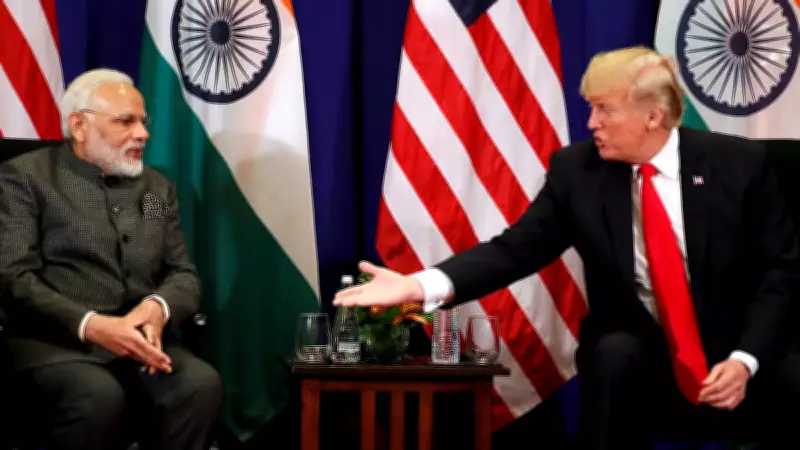
Trump's Assertion on India's Russian Oil Stance Sparks Global Attention
In a recent development that has captured international headlines, former United States President Donald Trump has publicly stated that India is poised to halt its imports of Russian oil. This declaration comes at a time of heightened geopolitical tensions and shifting energy alliances worldwide, putting the spotlight squarely on New Delhi's foreign policy decisions.
Modi Government's Silence Adds to the Intrigue
The Indian government, led by Prime Minister Narendra Modi, has notably remained silent in response to Trump's claims. This lack of official comment has fueled speculation and debate among analysts and policymakers, who are closely monitoring the situation for any signs of a formal announcement or policy shift from New Delhi.
Observers note that India's stance on Russian oil has been a critical aspect of its energy security strategy, especially in the context of global sanctions and economic pressures. The Modi administration's reticence may be a strategic move, allowing time for internal deliberations or diplomatic consultations before making any public statements.

Moscow Awaits Official Word from India
Adding another layer to this unfolding story, Moscow has also pointed out that India itself has not yet issued any official statement regarding its purported plan to stop purchasing oil from Russia. Russian officials have emphasized the importance of direct communication from Indian authorities, highlighting the bilateral nature of their energy trade relationship.
This cautious approach from both India and Russia underscores the complex dynamics at play, where economic interests intersect with diplomatic considerations. The global energy market is watching closely, as any significant reduction in India's Russian oil imports could have ripple effects on prices and supply chains.
Implications for India's Energy and Foreign Policy
The potential halt in Russian oil imports, if confirmed, would mark a significant pivot in India's energy policy. It could signal a realignment towards alternative sources or a response to international pressures, including those from Western allies. Key factors influencing this decision might include:
- Geopolitical Alliances: Balancing relations with the US, Russia, and other global powers.
- Economic Considerations: Impact on fuel prices and inflation within India.
- Energy Security: Ensuring stable and diverse oil supplies to meet domestic demand.
- Diplomatic Strategy: Navigating sanctions and international norms.
As the situation develops, stakeholders from the energy sector, government circles, and international relations are keenly awaiting clarity from the Indian government. The outcome could reshape not only India's trade patterns but also its position on the global stage amid ongoing conflicts and economic uncertainties.
This report is based on recent statements and ongoing diplomatic exchanges, with further updates expected as official responses emerge.






