Trump Schedules White House Meeting with Venezuelan Opposition Figure
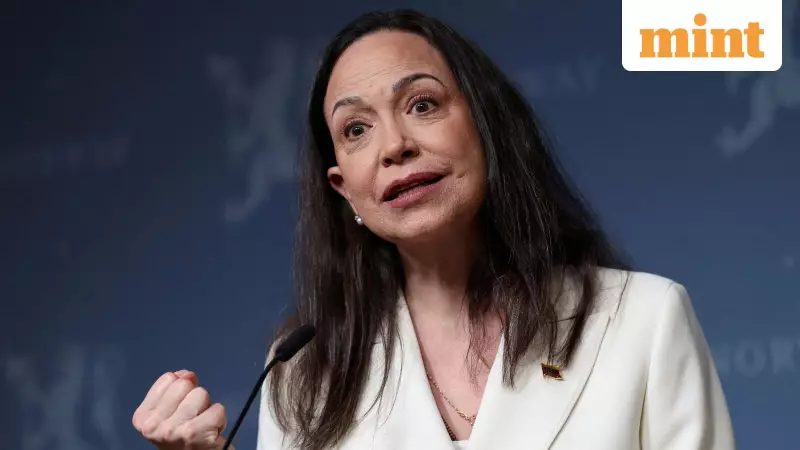
US President Donald Trump will welcome Venezuelan opposition leader María Corina Machado to the White House on Thursday. This high-profile encounter occurs during a period of significant uncertainty about Washington's strategy toward Venezuela. The meeting follows the dramatic US capture of former president Nicolás Maduro earlier this month.
Ambiguity Surrounds Machado's Standing with Trump Administration
President Trump downplayed expectations before the talks. He told Reuters, "She's a very nice woman. I've seen her on television. I think we're just going to talk basics." This remark reflects the ambiguity surrounding Machado's position with the Trump administration. Independent observers widely view her party as having won Venezuela's disputed 2024 elections. However, Maduro rejected those results before his removal from power.
Washington Signals Openness to Maduro-Era Figures
The meeting with Machado comes as Trump and his senior advisers signal willingness to work with Venezuela's acting president, Delcy Rodríguez. Rodríguez served as Maduro's vice president. She remains in charge of day-to-day governance alongside other figures from the former leader's inner circle.

Rodríguez has adopted a markedly softer tone toward Trump and his "America First" approach to the Western Hemisphere. She oversaw the release of detainees held under Maduro. Venezuela freed several Americans this week, reportedly at the Trump administration's request.
Trump confirmed he spoke directly with Rodríguez. He said on Wednesday, "We had a call, a long call. We discussed a lot of things. And I think we're getting along very well with Venezuela."
Machado Sidelined Despite Long Opposition Role
Trump's apparent endorsement of Rodríguez has effectively sidelined Machado. She has long been one of the most recognizable faces of Venezuela's opposition. Machado invested heavily in cultivating ties with Trump-aligned Republicans, including Secretary of State Marco Rubio. She aimed to position herself as Washington's preferred democratic alternative.
Yet Trump publicly questioned her leadership credentials shortly after Maduro's capture. He said at the time, "It would be very tough for her to be the leader. She doesn't have the support within or the respect within the country. She's a very nice woman, but she doesn't have the respect."
Machado Maintains Careful Balance After Nobel Recognition
Machado has since taken care not to antagonize Trump, particularly after winning last year's Nobel Peace Prize. Trump had openly coveted this accolade. She thanked Trump publicly and even offered to share the prize with him. The Nobel Institute later rejected this proposal.
Her movements have remained opaque since she went into hiding early last year following a brief detention in Caracas. She resurfaced briefly in Oslo in December. Her daughter accepted the Nobel Prize on her behalf there.
From Civil Activism to Mass Mobilization
An industrial engineer and the daughter of a steel magnate, Machado entered national politics in 2004. She co-founded Súmate, a civil society organization that sought to trigger a recall referendum against then-president Hugo Chávez. The effort failed. Machado and other Súmate executives faced conspiracy charges.
A year later, she drew further ire by traveling to Washington to meet President George W. Bush. A photograph of the two shaking hands in the Oval Office immortalized this visit. Chávez deeply resented the image.
Nearly two decades later, Machado mobilized millions of Venezuelans against Maduro in the 2024 election. Opposition groups and international observers described compelling evidence of victory. However, electoral authorities loyal to the ruling party declared Maduro the winner. This triggered widespread protests and a violent crackdown by state security forces.
What Today's Meeting May and May Not Signal
Thursday's White House meeting underscores Machado's continued international relevance. It does not guarantee US backing for her leadership ambitions. Instead, it highlights the transactional nature of Trump's Venezuela policy. Democratic legitimacy, geopolitical interests, and short-term stability appear to be weighed side by side in this approach.