

US Expert Daniel Benaim Criticizes Trump's Miscalculation in Iran Conflict
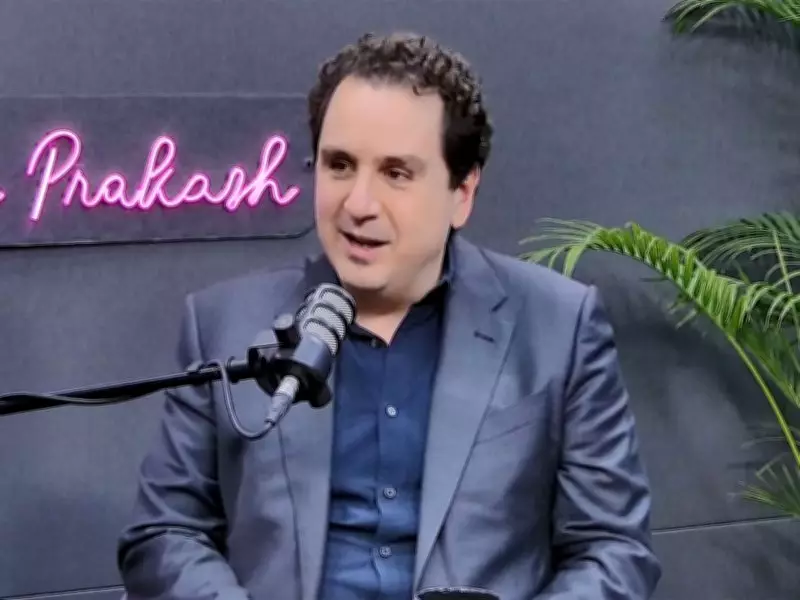
As the West Asia conflict enters its 21st day, Daniel Benaim, a former top official from the Biden administration, has publicly criticized former President Donald Trump for "miscalculating" Iran's response to a joint US-Israel offensive. In an exclusive conversation with ANI, Benaim highlighted that Trump failed to grasp Tehran's psychological stance, where, when pushed to a wall, Iran would not capitulate like other nations such as Venezuela.
Unprepared Diplomacy and Strategic Surprises
Benaim, an expert on the Arabian Peninsula, emphasized that American diplomats were "caught unprepared" for Iran's strategy to broaden the conflict. He noted that the US lacked adequate assets to swiftly reopen the Strait of Hormuz and evacuate American citizens from the Gulf, core responsibilities that took several days to address. "I think he did miscalculate in the sense that everybody knew that this was a possibility and they seem to not have been as well prepared for it as they might have been," Benaim stated.
According to Benaim, Iran's immediate move to expand the conflict through missile attacks, including into Turkey, caught US officials by surprise. "They really had a strategy to broaden the conflict that seems to have caught us unawares," he added, underscoring the rapid escalation that followed the initial attack on February 28, which resulted in the death of Iran's 86-year-old Supreme Leader, Ayatollah Ali Khamenei, and the subsequent appointment of his son, Mojtaba Khamenei, as the new leader.

Trump's Decision-Making and Netanyahu's Influence
Addressing the role of Israeli Prime Minister Benjamin Netanyahu, Benaim offered a nuanced perspective. He suggested that while Netanyahu may have provided compelling arguments for action, Trump's decisions were primarily driven by his own assessment of US interests. "I think that for the United States, I don't see a lot of evidence that Donald Trump is doing things for other countries. Evidence that I see is that he's doing what he thinks is good for the United States," Benaim explained.
He further noted that Trump, being more popular in Israel than Netanyahu, possessed significant leverage but misjudged Iran's resolve. "I think that instinct really failed him in this case in understanding Iran's psychology and the fact that when pushed to a wall, they wouldn't capitulate," Benaim remarked, referencing a quote from Ayatollah Khomeini about the Iranian revolution's broader purpose.
Broader Implications and Global Stability
The ongoing conflict has led to severe disruptions, with Iran targeting energy infrastructure across the Gulf and exerting pressure on the Strait of Hormuz. This has posed a mounting threat to global economic stability, affecting oil, gas, and maritime trade routes. Benaim's remarks underscore concerns about the broader consequences of such miscalculations for American leadership in high-stakes geopolitical crises.
As the security situation continues to escalate, marked by missile exchanges and military operations, the conflict highlights the critical need for accurate strategic assessments in international diplomacy. The events serve as a stark reminder of the complexities involved in managing tensions in volatile regions like West Asia.






