

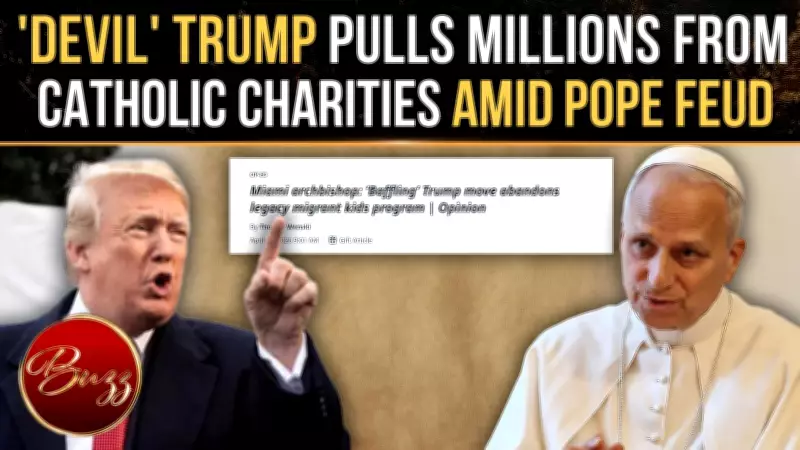
Trump Administration's Migrant Aid Cut and AI Jesus Images Spark Diplomatic Crisis with Vatican
The political landscape in the United States is facing a significant upheaval as President Donald Trump's administration has reportedly terminated funding for a critical migrant children assistance program. This decision, which directly impacts vulnerable minors, has ignited a firestorm of criticism both domestically and internationally.
Simultaneously, the President has drawn severe backlash for promoting controversial artificial intelligence-generated images related to Jesus Christ. These two actions have converged to create one of the most contentious periods of his presidency, with religious and humanitarian concerns taking center stage.
Migrant Children Program Funding Abruptly Cancelled
The Trump administration has officially cancelled financial support for a program specifically designed to aid migrant children. This initiative provided essential services including shelter, medical care, legal assistance, and educational support for minors who entered the United States without guardians.

Advocacy groups and humanitarian organizations have expressed profound alarm about the immediate consequences of this funding termination. Without these resources, thousands of vulnerable children face increased risks of exploitation, inadequate living conditions, and limited access to basic necessities.
The decision has raised urgent questions about the administration's commitment to protecting some of society's most defenseless members. Critics argue that cutting support during a period of increased migration pressures demonstrates a concerning disregard for humanitarian principles.
Controversial AI Jesus Images Escalate Religious Tensions
In a separate but equally controversial development, President Trump has shared and endorsed artificial intelligence-generated images depicting Jesus Christ in what many religious leaders describe as inappropriate and disrespectful contexts. The AI-created visuals have circulated widely across social media platforms and conservative media outlets.
Religious scholars and Christian organizations have condemned these images as blasphemous and offensive to Christian believers worldwide. The controversy has particularly strained relations between the White House and religious institutions, creating an unprecedented diplomatic challenge.
Diplomatic Fallout with Pope Leo XIV Intensifies
The combination of these two controversies has dramatically escalated tensions between the Trump administration and Pope Leo XIV. The Vatican has reportedly expressed deep concern about both the migrant children funding termination and the AI Jesus images, viewing them as contradictory to Christian values of compassion and respect.
This represents a significant deterioration in U.S.-Vatican relations, which have been increasingly strained throughout Trump's presidency. The Pope's office has traditionally advocated for migrant rights and religious dignity, putting the two leaders on a collision course over fundamental principles.
Diplomatic observers note that the rift extends beyond personal differences between the two leaders, reflecting broader conflicts between nationalist policies and global humanitarian standards. The situation has created an unusual alliance between religious conservatives who object to the AI images and progressive advocates concerned about migrant welfare.
Broader Implications for Policy and Public Perception
The convergence of these controversies highlights how immigration policy, religious sensitivity, and technological innovation are increasingly intersecting in American politics. The administration's actions have sparked debates about:

- The ethical boundaries of AI in religious contexts
- The moral responsibilities of governments toward vulnerable populations
- The appropriate relationship between political leadership and religious institutions
- The global perception of American values and priorities
As the controversy continues to unfold, political analysts are watching closely to see how this unusual combination of issues will affect Trump's support among both his conservative base and independent voters. The situation represents a complex challenge that blends policy decisions with cultural and religious sensitivities in unprecedented ways.
The White House has yet to release a comprehensive statement addressing both controversies simultaneously, though administration officials have defended the migrant funding decision as necessary for budget priorities while offering limited comments on the AI images controversy. Meanwhile, humanitarian organizations are scrambling to find alternative funding sources for migrant children services, and religious leaders continue to voice their objections to what they describe as disrespectful use of sacred imagery.





