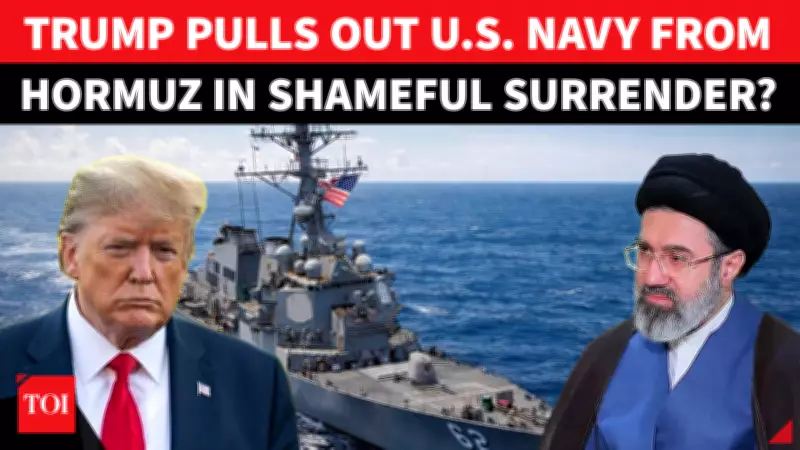
President Donald Trump has announced dramatic new conditions for a possible deal with Iran, including reopening the Strait of Hormuz, removing naval mines, and lifting the U.S. naval blockade on Iranian ports. The proposal comes as Washington and Tehran continue tense negotiations over Iran’s nuclear program and regional security.
Key Developments in US-Iran Talks
Trump also claimed the U.S. could help destroy Iran’s buried enriched uranium stockpile following earlier B-2 bomber strikes. While both sides hint at progress, major disagreements remain over sanctions, uranium enrichment, and ceasefire violations, keeping the risk of renewed conflict in the Gulf very real.
Background and Implications
The Strait of Hormuz is a critical chokepoint for global oil shipments, and any blockade or mining poses significant risks to international trade and energy markets. Trump’s offer to lift the blockade signals a potential shift in U.S. strategy, aiming to de-escalate tensions while maintaining pressure on Iran’s nuclear ambitions.

Negotiations have been fraught with mistrust, with Iran demanding full sanctions relief and the U.S. insisting on verifiable limits to Iran’s uranium enrichment. The proposed deal would also address regional security concerns, including Iran’s support for proxy forces in the Middle East.
Meanwhile, military posturing continues. Iran recently shot down a U.S. drone near Bushehr port city and launched missiles targeting U.S.-linked ships near Hormuz, underscoring the fragility of the current situation. The international community watches closely as both sides navigate these complex negotiations.