

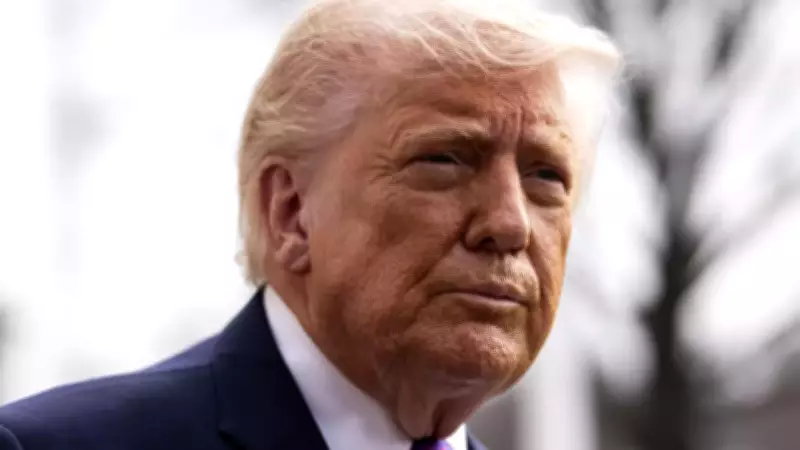
Trump Stresses Nuclear Non-Proliferation as Key Focus Amid Iran Conflict
In a recent statement, former US President Donald Trump acknowledged that the United States could reap economic advantages from escalating oil prices but underscored that his paramount concern remains thwarting Iran's pursuit of nuclear capabilities. He characterized Iran as an "evil empire" and cautioned that its nuclear aspirations pose a significant threat to regional and global stability.
Economic Implications of Rising Oil Prices
Trump highlighted the United States' position as the world's leading oil producer, noting that increased oil prices translate into substantial financial gains for the country. However, he firmly stated that, as President, his primary interest lies in preventing Iran from obtaining nuclear weapons, which he believes could devastate the Middle East and beyond.
Conflict Progress and Financial Costs
The ongoing conflict with Iran has now entered its thirteenth day, with Trump previously suggesting that the war might conclude "soon," citing extensive damage to Iran's military infrastructure. According to a Pentagon estimate reported by The New York Times, the US has expended at least $11.3 billion during the initial week of military operations against Iran. This figure, while detailed, excludes additional expenses such as troop deployments and naval reinforcements dispatched to the region prior to the strikes.

Global Oil Market Disruptions
The conflict has triggered severe disruptions in the global oil market, particularly due to the blockage of the Strait of Hormuz, a vital shipping corridor that handles approximately one-fifth of the world's crude oil. Oil prices surged briefly above $100 per barrel, prompting the International Energy Agency to describe the situation as the largest supply disruption in oil market history. In response, member countries agreed to release 400 million barrels from strategic reserves, the largest coordinated drawdown on record, yet concerns over constrained energy supplies persist.
Iran's Retaliatory Measures and Regional Impact
Iran has retaliated by targeting vessels and neighboring Gulf states, effectively shutting down the Strait of Hormuz. Additionally, Iran issued warnings to US tech firms, including Google, Amazon, Microsoft, and Nvidia, labeling them as "legitimate targets." In a contrasting move, Iran has cleared Indian-flagged ships for safe passage through the Hormuz Strait, while imposing restrictions on vessels from the US, Europe, and Israel.
Trump reiterated his unwavering commitment to preventing Iran from acquiring nuclear weapons, emphasizing that this goal takes precedence over any economic benefits derived from the conflict-induced oil price increases. The situation remains fluid, with no clear resolution in sight as the war continues to unfold.






