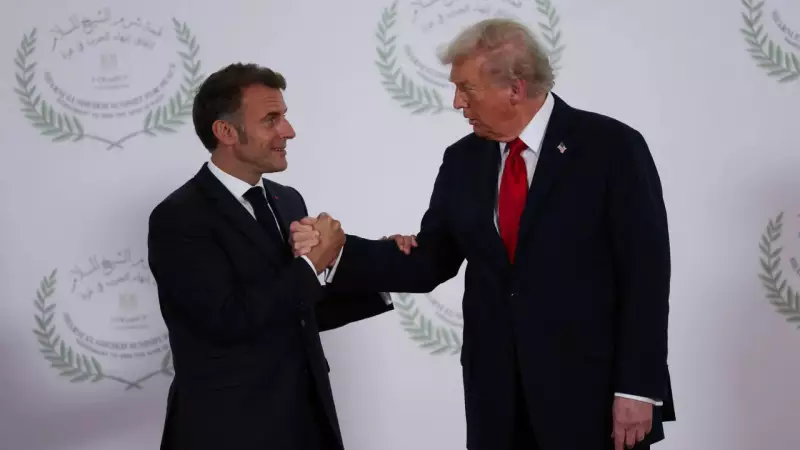
Trump Issues Tariff Threat Against French Wines Following Macron's Peace Board Snub
US President Donald Trump delivered a sharp rebuke to French President Emmanuel Macron. He threatened to impose a massive 200 percent tariff on French wines and champagnes. This strong reaction came directly after Macron refused to join Trump's proposed board of peace.
Trump made his feelings clear in a blunt statement. He expressed frustration with the French leader's decision. "Well, nobody wants him because he's going to be out of office very soon," Trump declared about Macron. The US president then issued his tariff ultimatum directly. "I will impose a 200 percent tariff on French wines and champagnes, and Macron will join the board of peace."
Macron's Diplomatic Response and Dinner Invitation
French President Emmanuel Macron responded to Trump's outburst with measured diplomacy. He sent a private text message addressing several international issues. Trump later shared this message publicly on his Truth Social platform.

In his message, Macron emphasized areas of continued Franco-American cooperation. "We are totally in line on Syria. We can do great things on Iran," the French president wrote. He then expressed confusion about Trump's Greenland plans, stating plainly, "I do not understand what you are doing on Greenland."
Macron proposed concrete diplomatic steps to improve relations. He offered to host a G7 meeting in Paris after the World Economic Forum in Davos. The French leader suggested inviting multiple nations to this gathering. "I can invite the Ukrainians, the Danish, the Syrians and the Russians in the margins," Macron wrote about his proposed meeting.
The French president extended a personal olive branch to his American counterpart. He invited Trump to a private dinner in Paris. "Let us have a dinner together in Paris together on Thursday before you go back to the US," Macron's message concluded.
Expanding the Board of Peace Initiative
Trump's board of peace represents a significant US diplomatic initiative. The White House describes it as a new international peacekeeping body. Its stated purpose is ending the conflict in Palestinian territories.
The United States has extended invitations to numerous countries worldwide. A confirmed list from the White House includes several key nations:
- Russia
- Canada
- Turkey
- Egypt
- Paraguay
- Argentina
- Albania
- India
- Jordan
- Greece
- Cyprus
- Pakistan
- Hungary
Additional world leaders have confirmed receiving invitations independently. Brazilian President Luiz Inacio Lula da Silva acknowledged the offer. Italian Prime Minister Giorgia Meloni also confirmed her invitation. Romanian President Nicusor Dan reported receiving the peace board proposal as well.
Structure and Leadership of the Proposed Peace Board
The board of peace would operate under Trump's direct leadership. The US president would serve as chairman of this new international body. He would retain veto power over all board decisions according to White House statements.
A founding executive council would form the organization's core leadership. This council would include experienced leaders from multiple fields. Diplomacy, development, infrastructure, and economic strategy would all be represented.
Council members would carry significant responsibility. They would help set the strategic vision for peace initiatives. Each member would receive a specific portfolio focused on stabilizing Gaza.
The proposed council includes several prominent American figures:
- US Secretary of State Marco Rubio
- US Special Envoy Steve Witkoff
- Jared Kushner
- Billionaire businessman Marc Rowan
- Ajay Banga
- Former British PM Tony Blair
- Robert Gabriel Jr
Trump has articulated clear goals for this proposed international body. He wants it to promote stability in conflict zones. The board would work to restore lawful governance in troubled regions. Most importantly, it would seek to secure enduring peace in areas threatened by ongoing conflicts.

This diplomatic confrontation between two major Western leaders reveals underlying tensions. The exchange highlights different approaches to international peacekeeping. It also demonstrates how trade threats can become diplomatic tools in global politics.