Trump Signals Potential US Exit from NATO, Criticizes European Allies
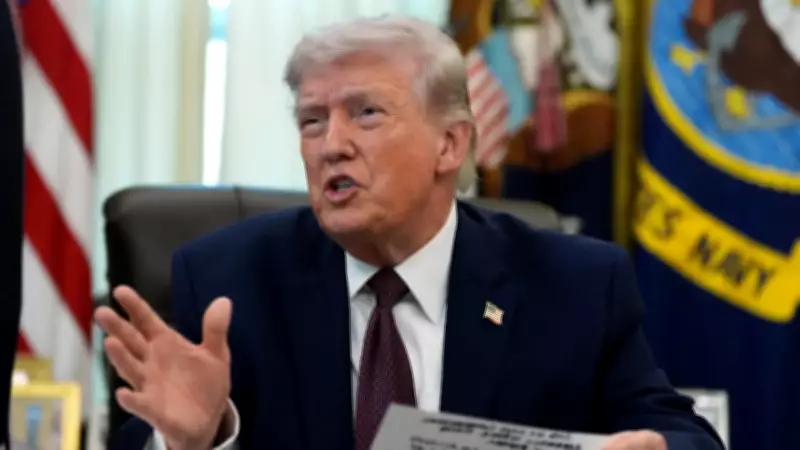
In a significant development that could reshape global security architecture, US President Donald Trump stated on Wednesday that he is strongly considering pulling the United States out of the North Atlantic Treaty Organization (NATO). During an interview with The Telegraph, Trump described the transatlantic military alliance as a "paper tiger," highlighting growing tensions with European partners amid the ongoing conflict with Iran.
"Beyond Reconsideration": Trump's Strongest Signal Yet
Trump revealed that leaving NATO is now "beyond reconsideration" for his administration. "I was never swayed by NATO. I always knew they were a paper tiger, and Putin knows that too, by the way," the president asserted. These remarks represent one of the most explicit indications to date that Washington might reassess its decades-long security commitments in Europe, potentially upending the post-World War II international order.
Strait of Hormuz Dispute Triggers Alliance Rift
The president's comments follow NATO allies' refusal to support US calls for deploying forces to secure the Strait of Hormuz, a critical oil transit route that has experienced disruption during the Iran conflict. Approximately 20% of global oil flows through this strategic waterway, and its closure has contributed to significant volatility in international energy markets, affecting economies worldwide.

Trump expressed frustration with what he characterized as a lack of reciprocity from alliance members. "We've been there automatically, including Ukraine... They weren't there for us," he stated, referencing Western support during previous conflicts where American involvement was substantial.
Targeting UK Leadership and Defense Capabilities
The US president also directed criticism toward United Kingdom leadership, specifically rebuking Prime Minister Keir Starmer over Britain's decision not to participate in the US-Israel military effort. "You don't even have a navy. You're too old and had aircraft carriers that didn't work," Trump remarked, while declining to offer direct advice to London regarding defense spending allocations.
Administration Officials Echo Criticism
US Secretary of State Marco Rubio reinforced the president's position, labeling NATO a "one-way street" and warning that Washington may "re-examine" its role within the alliance following the current conflict. Rubio cited specific concerns about restricted access to allied military bases during the crisis, suggesting operational limitations that hampered US strategic options.
Article 5 Debate and Structural Changes Considered
The controversy has reignited discussions surrounding NATO's Article 5 clause, the collective defense provision that has been invoked only once following the September 11, 2001 terrorist attacks. Officials emphasize that this clause applies exclusively when a member state suffers an attack, not to offensive operations like the current Iran conflict, which began with joint US-Israeli strikes.
Separately, reports indicate the US administration is contemplating substantial structural modifications to NATO. These potential changes include implementing a "pay-to-play" model directly tied to member states' defense spending commitments and considering a significant drawdown of American troops stationed in Germany, which would represent a major strategic shift in European security arrangements.
The evolving situation underscores deepening transatlantic divisions and raises fundamental questions about the future of Western military cooperation in an increasingly volatile global landscape.