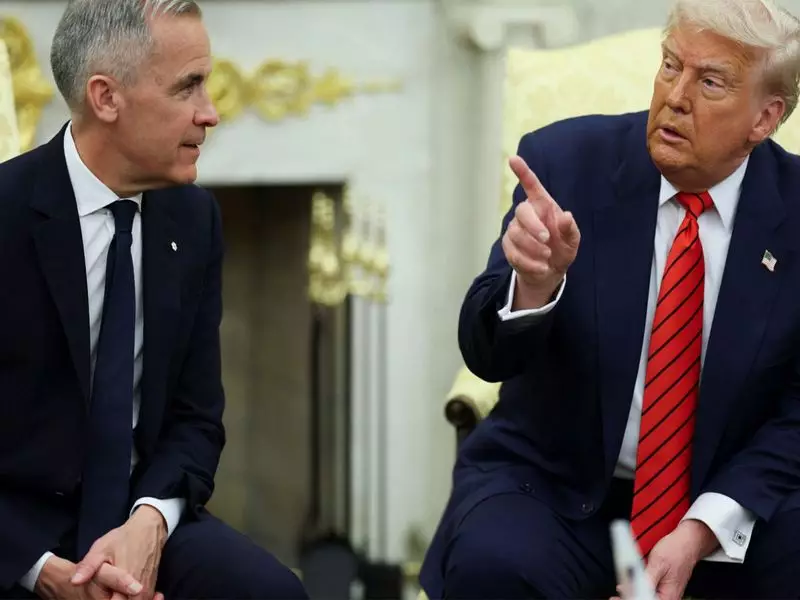
Trump Withdraws Invitation for Canada to Join Gaza Peace Board, Citing PM Carney
In a significant development in international diplomacy, former United States President Donald Trump has publicly withdrawn an invitation for Canada to participate in a proposed board aimed at fostering peace in the Gaza region. This move comes as a direct response to statements or actions attributed to Canadian Prime Minister Carney, highlighting tensions in North American relations over Middle Eastern affairs.
Background and Context of the Gaza Peace Initiative
The Gaza board of peace was envisioned as a multilateral platform to address the ongoing conflicts and humanitarian crises in the Gaza Strip. Initially, Trump extended an invitation to Canada, a key ally, to join this board, reflecting efforts to involve Western nations in peacebuilding efforts. However, recent developments have led to a reversal of this decision, with Trump citing unspecified concerns related to Prime Minister Carney's stance or policies.
This withdrawal underscores the volatile nature of international peace initiatives, where political alignments and leadership dynamics can swiftly alter participation and outcomes. The Gaza region, plagued by long-standing disputes, requires coordinated international support, making such diplomatic shifts particularly noteworthy.

Implications for Canada-US Relations
The decision to withdraw Canada's invitation could strain diplomatic ties between the United States and Canada, two nations that have historically maintained strong bilateral relations. Key points to consider include:
- Diplomatic Fallout: This move may lead to increased scrutiny of Canada's foreign policy under Prime Minister Carney, potentially affecting other collaborative efforts on global issues.
- Impact on Peace Efforts: Without Canada's involvement, the Gaza peace board might face challenges in achieving broad international consensus, limiting its effectiveness in conflict resolution.
- Public and Political Reactions: Stakeholders in both countries are likely to respond, with possible calls for dialogue or reassessment of the decision.
Experts suggest that such actions could influence future engagements in Middle Eastern diplomacy, as nations reassess their roles and alliances in peace processes.
Broader Global Diplomacy Perspectives
This incident highlights the interconnectedness of global politics, where decisions in one region can reverberate across continents. The withdrawal of Canada's invitation is not just a bilateral issue but reflects broader trends in international relations, including:
- Shifting Alliances: As geopolitical landscapes evolve, traditional partnerships may be tested by divergent views on conflicts like those in Gaza.
- Role of Leadership: The personal dynamics between leaders, such as Trump and Carney, can significantly impact diplomatic initiatives, sometimes overshadowing institutional frameworks.
- Peacebuilding Challenges: Effective peace efforts require sustained commitment and inclusivity; sudden changes in participation can undermine progress and trust among involved parties.
Moving forward, this development may prompt other nations to evaluate their positions on Gaza-related initiatives, potentially leading to renewed discussions or alternative approaches to fostering stability in the region.