

Trump's Gaza Peace Plan: Two New Bodies Face Skepticism
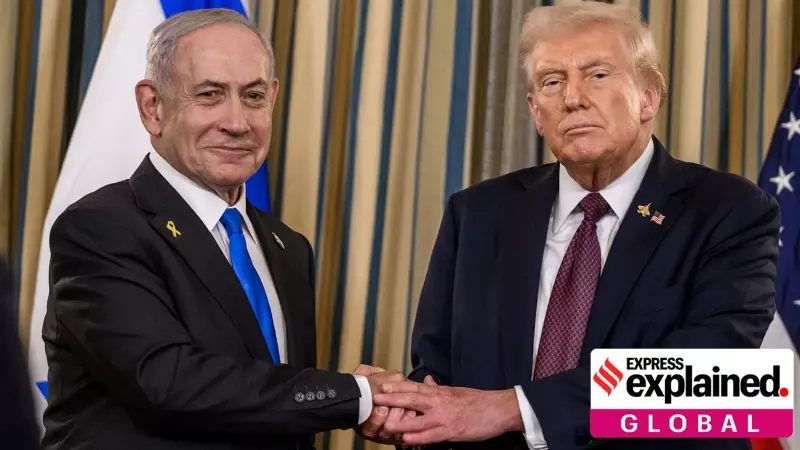
US President Donald Trump has launched a new peace initiative for Gaza. This plan introduces two key administrative bodies. The announcement came during a meeting with Israeli Prime Minister Benjamin Netanyahu in September 2025. Trump described it as a comprehensive strategy to end the Gaza conflict.
Recently, US Ambassador to India Sergio Gor extended an invitation to Prime Minister Narendra Modi. The invitation asks India to participate in the Board of Peace. This board forms part of the larger peace plan. The goal is to bring lasting peace to the troubled Gaza Strip.
National Committee for the Administration of Gaza (NCAG)
The White House has appointed Dr. Ali Sha'ath to lead the NCAG. Sha'ath is a respected technocratic leader with a PhD in engineering from Queen's College London. He has held several positions within the Palestinian Authority. His experience includes work in the ministries of planning and transportation.

According to the European Council on Foreign Relations, Sha'ath comes from a large Gazan clan. He has extensive ties to President Mahmoud Abbas's Fatah party. Fatah and Hamas have historically competed for power in Palestinian territories. Fatah generally advocates for peaceful means to achieve political goals.
In a recent social media post, Sha'ath outlined his team's commitments. He emphasized establishing security and restoring essential services. These services include electricity, water, healthcare, and education. The NCAG aims to cultivate a society based on peace, democracy, and justice. Sha'ath promised to operate with high standards of integrity and transparency.
Gaza Executive Board
This board has been created to support effective governance in Gaza. It will oversee the NCAG's operations. The board consists of eleven members, including several prominent international figures.
- Steve Witkoff: Trump's Middle East envoy and a real estate developer. He previously negotiated peace deals between Israel and Hamas.
- Jared Kushner: Trump's son-in-law and former key Middle East advisor. He has recently spoken about developing Gaza's waterfront.
- Tony Blair: Former UK Prime Minister with a contentious history in Middle East politics. His think tank has advised on Gaza's future plans.
- Reem Al-Hashimy: UAE Minister of State for International Cooperation. She emphasizes the need for international community efforts.
- Yakir Gabay: The only Israeli member, a businessman with real estate investments. He has close ties with other board members.
Some board members, including Blair and Witkoff, also serve on the Executive Board of the Board of Peace.
Reactions from Hamas and Israel
Hamas has not yet reacted to these recent developments. Back in October, the group indicated acceptance of some plan elements. These included giving up some power and releasing remaining hostages. However, Hamas stated that other aspects required further consultations among Palestinians.
Israel has reacted strongly against the new administrative bodies. Far-right National Security Minister Itamar Ben-Gvir expressed clear opposition on social media. He argued that Gaza does not need an administrative committee for rehabilitation. Instead, he insisted that the area must be cleansed of Hamas terrorists first.
This highlights a crucial roadblock in peace efforts. Israel insists on eliminating Hamas before considering any relaxations toward Palestinians. Prime Minister Benjamin Netanyahu appears reluctant to compromise on this stance. The Israeli government also stated that some appointments were not coordinated with Israel. These appointments reportedly contradict Israeli policy.
According to media reports, Netanyahu instructed the Israeli foreign minister to contact US Secretary of State Marco Rubio. This move indicates diplomatic tensions over the peace plan's implementation.
Widespread Skepticism
The entire peace plan faces skepticism from various quarters. Critics question how the board would function given Gaza's current devastation. Reports indicate that the board's charter does not even mention Gaza specifically. These concerns raise doubts about the plan's practical implementation.

The plan represents Trump's latest intervention in Middle East politics. It follows his earlier proposals that included building hotels and resorts in Gaza. Those plans faced significant criticism from international observers. The current initiative attempts to address governance and administration challenges more directly.
India's potential participation adds another dimension to the peace efforts. As a major global player, India's involvement could influence the plan's international acceptance. The invitation to Prime Minister Modi demonstrates the Trump administration's outreach to key allies.
The coming months will reveal whether these new bodies can overcome skepticism. Their success depends on navigating complex political landscapes. Both Hamas and Israel's reactions will play crucial roles in determining the plan's fate. International community support remains essential for any lasting peace in Gaza.





