Trump's New Foreign Policy Shakes Global Powers
The new year has begun with dramatic shifts in American foreign policy under President Trump. Gone is the image of Trump as a peace president. In its place stands a leader willing to take bold, aggressive actions on the world stage. This week alone has seen three major moves that signal a more muscular approach from Washington.
Venezuela: A Swift and Surprising Capture
The year started with a stunning operation in Venezuela. US forces executed a rapid mission to capture President Nicolas Maduro and his wife from their presidential compound in Caracas. This action shocked observers worldwide. While Trump had increased pressure on Maduro for months, few anticipated such a direct intervention.
American troops managed to enter Caracas, avoid Venezuelan defenses, and extract the head of state within hours. This demonstrates the unmatched capability of the US military. Following the capture, Trump announced plans for the US to take control of Venezuela's oil resources and effectively run the country.

However, Maduro's administration remains in place back in Caracas. Vice President Delcy Rodriguez has been named interim president. Trump stated that Washington would impose its will through this new government, bypassing the Venezuelan democratic opposition. Rodriguez appears cooperative, releasing political prisoners and expressing interest in a peace compact with Washington, including American investments in Venezuela's oil sector.
The key takeaway is clear: The US has forced a pliant government in Caracas, reorienting Venezuela's foreign policy. This deals a significant blow to Russian and Chinese interests in the region. Washington has effectively undone years of investment and relations built by Beijing and Moscow with Venezuela. Trump's move reinforces US dominance in the Western Hemisphere and sends a strong message to global rivals.
US Seizes Russian Shadow Fleet Ship
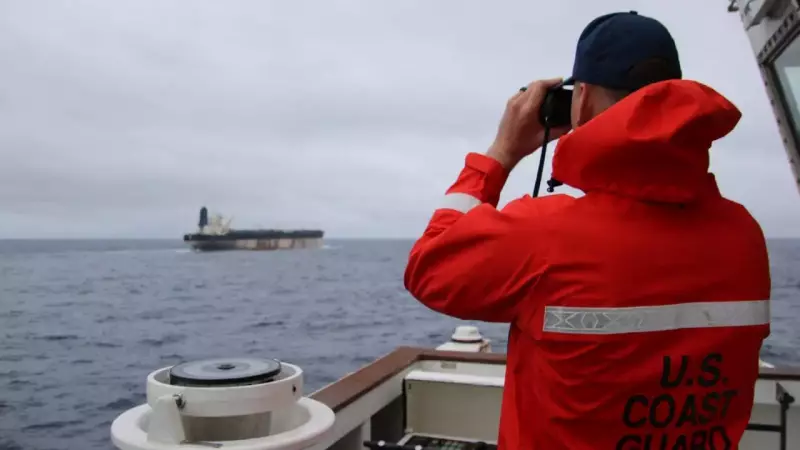
Adding to the pressure, Trump authorized the capture of a Russian ghost ship in the north Atlantic. The vessel, Bella 1/Marinera, had attempted to lift oil from Venezuela in December during the American blockade. When US forces initially tried to board it, the ship fled.
Mid-voyage, it painted on a Russian flag and registered with the Russian shipping registry. The US responded by moving military assets to the UK to track the ship. Commandos eventually boarded it in the north Atlantic. Russia had mobilized naval assets, including a submarine, for protection, but it was too late.
This seizure matters for two reasons. First, it signals that the US is done tolerating Russia's flouting of international law. Washington argues its actions were legal because the ship was sanctioned and falsely registered. Second, this could mark the beginning of US action against the Russian shadow fleet. These ships frequently change flags and names to avoid scrutiny, engaging in ship-to-ship transfers to smuggle sanctioned oil from Russia, Iran, and Venezuela.
Such ghost ships allow Russia to earn billions from oil trade despite sanctions, fueling its war in Ukraine. With Putin refusing to end the conflict, Trump may be losing patience and targeting Russia's oil trade through these seizures. If this continues, Moscow could face serious trouble.
Greenland Talks Revive Strategic Tensions
If that weren't enough, Trump and his advisers have revived discussions about taking over Greenland. Trump adviser Stephen Miller's wife sparked the conversation by posting a map of Greenland with an American flag superimposed. Trump has since doubled down on acquiring the territory.
Denmark, which officially owns Greenland, has rejected the idea again. European NATO members have even suggested defending Denmark and Greenland from a potential US military takeover. This situation is bizarre given the existing defense relationship between Denmark and the US, which includes an American military base in Greenland.
Trump could easily work with Copenhagen to increase US military presence there, as both nations share concerns about Russian and Chinese activities in the Arctic. Expanded US presence would likely be welcomed by Europeans. However, Trump insists that if the US doesn't take over Greenland, Russia and China will, expressing a strategic concern about having these powers as neighbors.

While physical takeover may be unnecessary, Trump's actions send a clear message to Moscow and Beijing: "I don't trust you." This stirs tensions and underscores Washington's serious approach to the strategic challenge posed by Russia and China.
Russia's Relentless Attacks on Ukraine
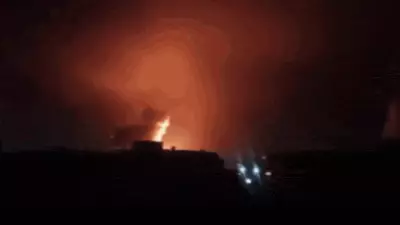
Meanwhile, Russian attacks on Ukraine continue unabated. Last week, one volley knocked out power, heating, and water in large parts of the country, including Kyiv, killing at least four and injuring dozens. Another attack on January 12-13 left 70% of the Kyiv region without electricity.
These strikes occur as temperatures in Ukraine plummet to -20 degrees Celsius. Russians appear to be trying to freeze Ukrainian civilians to death, a clear war crime. Without power and heating, Ukrainians rely on resilience points and generators to survive. Moscow aims to demoralize the population, even firing an intermediate-range ballistic missile at Lviv.
Yet Ukrainians remain resilient. Recent polls show 74% oppose a ceasefire that would give up land without real security guarantees. While the UK and France have pledged to send peacekeepers after the war, meaningful security guarantees remain elusive. More pressure is needed on Russia to end this war justly and securely for Ukraine.
Widespread Protests Rock Iran
Since the start of the new year, Iran has seen widespread protests against the government. Economic woes, including runaway inflation and a crashing rial, have fueled the unrest. Protesters are also fed up with the conservative regime, with thousands of women taking to the streets without hijabs and calling for the fall of the ayatollahs.
The regime has been shaky since last year's 12-day conflict with Israel, which the US joined on behalf of Tel Aviv. This weakened state may have unleashed years of pent-up frustration among Iranians. Notably, many protesters are calling for the return of the erstwhile shah, with slogans like "Javid Shah" echoing across cities.
Two points stand out. First, relations between the regime and the people seem to be reaching a breaking point. The ayatollahs have lost touch with large sections of society, raising questions about the regime's sustainability. Second, Iran's external situation has worsened dramatically. Trump threatens military intervention if the regime cracks down too hard but is also attempting to negotiate a deal.
Washington may see an opportunity to shape a US-friendly regime in Tehran, similar to its approach in Venezuela. If successful, this would deal a massive strategic blow to Russia and China. If Iran shifts its alliances toward the US, Putin and Xi would feel significant pressure. With Russia bogged down in Ukraine, it can offer little support to Iran at this time.
The year 2026 is proving to be a turbulent period, with Trump's bold moves reshaping global dynamics and challenging established powers.