Trump's Greenland Tariffs Ignite NATO Crisis: Analysts Warn of Alliance Collapse
US President Donald Trump has imposed ten percent tariffs on eight European allies. This dramatic move directly targets nations opposing American control over Greenland. Senior analyst Matt Simpson from StoneX told Reuters the situation looks grim.
"With Trump throwing tariffs into the mix, it is clear that his threat to Greenland is real," Simpson stated. "We could be one step closer to the end of NATO and political imbalances within Europe."
The President has not ruled out using military force to acquire Greenland. This aggressive stance has raised serious alarms across European capitals. The prospect of a direct confrontation between NATO member states now looms large.

A Direct Challenge to the Alliance
Trump has also refused to rule out withdrawing the United States from NATO over the Greenland issue. When journalists asked if he would "pull out of NATO if it doesn't help you acquire Greenland," Trump gave a cryptic reply.
"We’re going to see," was his only response. This follows his earlier 2024 comments where he accused NATO of "taking advantage" of America. He stated the US would only remain a member if other countries "pay their bills."
The new tariffs, effective February 1st, target Denmark, Norway, Sweden, France, Germany, the United Kingdom, The Netherlands, and Finland. All these nations, along with the US, are core members of NATO.
Understanding the NATO Alliance
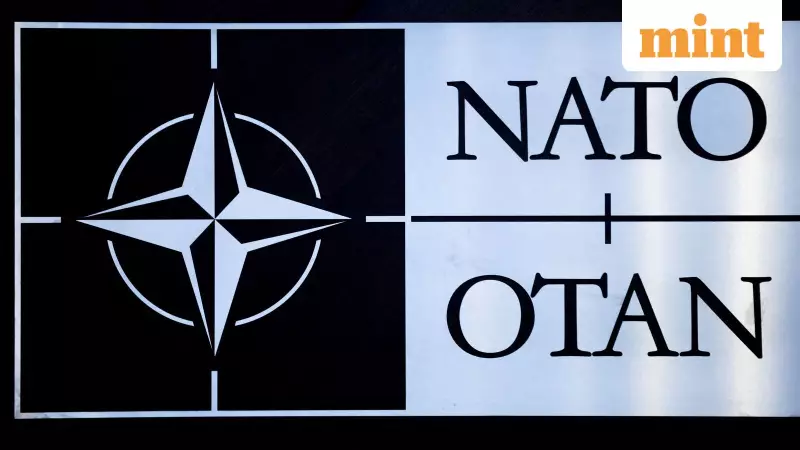
What is NATO and why does this matter? NATO stands for the North Atlantic Treaty Organization. It is a strategic military and political alliance formed on April 4, 1949.
Originally created by twelve Western nations as a security bulwark against the Soviet Union, it has grown significantly. Today, NATO comprises 32 member countries from North America and Europe.
The fundamental role of NATO is to safeguard the freedom and security of its members. This happens through both political dialogue and military cooperation. The core principle is Article 5: an attack on one ally is considered an attack on all.
Beyond territorial defense, NATO leads international missions. These include the UN-mandated force in Afghanistan, peacekeeping in Kosovo, and operations in the Mediterranean. The alliance also fights terrorism, cyber attacks, and piracy.
The Greenland Dispute and Collective Security
The current crisis centers on Greenland. Trump wants to buy or annex the vast, strategically important island. European officials, particularly from Denmark, have firmly rejected this idea.
They argue that Greenland is already protected under NATO's collective security pact. By imposing tariffs and threatening force, Trump is testing this very principle. He is challenging the unity and mutual defense promises that define the alliance.
Reuters reports that these tariffs could lead to a "direct confrontation between NATO states." Trump has vowed to implement even more tariffs until the US is allowed to purchase Greenland.
Who Are the NATO Members?
As of March 2024, the 32 member countries of NATO are:
- Albania
- Belgium
- Bulgaria
- Canada
- Croatia
- Czechia
- Denmark
- Estonia
- Finland
- France
- Germany
- Greece
- Hungary
- Iceland
- Italy
- Latvia
- Lithuania
- Luxembourg
- Montenegro
- Netherlands
- North Macedonia
- Norway
- Poland
- Portugal
- Romania
- Slovakia
- Slovenia
- Spain
- Sweden
- Turkey
- United Kingdom
- United States
The question now hangs over all of them: Are Trump's Greenland tariffs the beginning of the end for NATO? The alliance faces its most severe internal test in decades, with its future hanging in the balance.