

Trump's Nobel Prize Complaint Exposes Diplomatic Blind Spots
Donald Trump has once again demonstrated his unique approach to international diplomacy. The former president, now in his second term, recently sent a remarkable letter to Norwegian Prime Minister Jonas Gahr Støre. In this communication, Trump declared he no longer feels obligated to think purely about peace because Norway did not award him the Nobel Peace Prize.
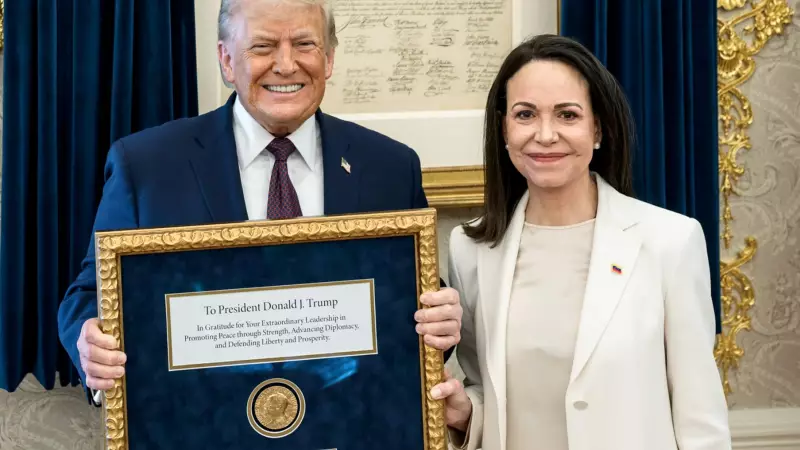
The letter arrived just one day before Trump completed his first year back in office. Trump expressed frustration about losing last year's Nobel Peace Prize to Venezuelan opposition leader María Corina Machado. Interestingly, Machado had already presented her prize to Trump during a meeting at the Oval Office, a gesture that reportedly annoyed the Nobel committee.
Multiple Misunderstandings in Brief Letter
Trump's 29-word statement contains several significant errors. First, he incorrectly assumes Norway awards the Nobel Peace Prize. In reality, an independent committee makes this decision, separate from the Norwegian government. If the government were actually in charge, analysts suggest they might have felt pressure to appease Trump to maintain Western unity against Russia.

Second, Trump claims credit for stopping eight wars. Experts quickly challenged this assertion. The conflict between Israel and Iran involved direct US participation, making it difficult to claim Trump single-handedly stopped it. Between Egypt and Ethiopia, there was never an actual war, only diplomatic tensions over a dam project. Regarding India and Pakistan, New Delhi's official statements have made any claims of US intervention irrelevant.
Confusing the Prize with Peace Itself
Perhaps most troubling is Trump's apparent confusion between the Nobel Peace Prize and peace itself. He seems to believe the award represents peace, when actually peace is the ultimate prize. True peace means preserving human lives, keeping families intact, and sparing cities from destruction. The diplomatic work required to achieve these outcomes rarely receives glamorous recognition.
The Norwegian prime minister's original message that prompted Trump's response was actually quite reasonable. Støre politely asked Trump to de-escalate threats regarding Greenland, emphasizing the need for Western unity during challenging global times. Trump's reaction included not just complaints about the Nobel Prize but also threats against Denmark and Greenland's sovereignty.
Historical Context of the Peace Prize
Alfred Nobel's will established the peace prize for those who advance fellowship among nations, reduce standing armies, or promote peace congresses. The award has not always gone to deserving recipients. Henry Kissinger received it while the Vietnam War continued, even as the United States used Agent Orange with devastating consequences.
Current global conflicts desperately need attention. From Eastern Europe to Sudan and Myanmar, numerous crises could benefit from genuine diplomatic engagement. Instead of focusing on these real challenges, Trump appears preoccupied with award recognition.
Observers note that Trump's approach reflects a transactional view of international relations. He seems to believe peace efforts deserve immediate rewards rather than understanding that peace itself is the ultimate goal. This perspective may explain why his administration has struggled with traditional diplomatic channels, preferring instead dramatic gestures and personal negotiations.
The situation highlights broader concerns about how world leaders conceptualize peace and diplomacy. True peace requires consistent effort, compromise, and sometimes unglamorous behind-the-scenes work. It cannot be reduced to medal ceremonies or public recognition. As global tensions continue in multiple regions, many hope for more substantive diplomatic approaches that prioritize human security over personal accolades.






