UK to Convene Major International Talks on Strait of Hormuz Reopening
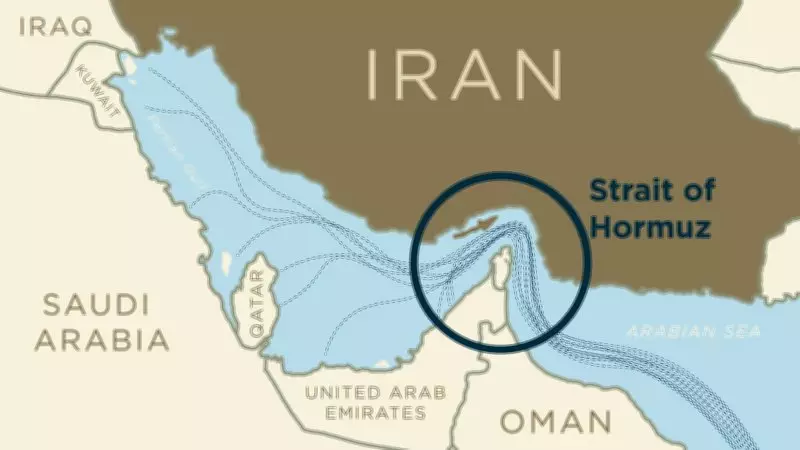
The United Kingdom is taking a leading role in global diplomacy by organizing high-level talks with 35 countries to discuss the reopening of the Strait of Hormuz. This strategic maritime chokepoint, located between the Persian Gulf and the Gulf of Oman, is a critical artery for international oil shipments, with approximately one-fifth of the world's oil supply passing through it daily. The talks aim to address the complex geopolitical and security challenges that have led to disruptions in this vital shipping lane, impacting global energy markets and economic stability.
Background and Significance of the Strait
The Strait of Hormuz is one of the most important waterways in the world, serving as a gateway for oil exports from major producers like Saudi Arabia, Iran, the United Arab Emirates, and Kuwait. Its narrow width, about 21 miles at its narrowest point, makes it susceptible to blockades or attacks, which have occurred in recent years due to regional conflicts and tensions. These incidents have raised concerns about energy security and prompted international calls for coordinated action to ensure safe passage for commercial vessels.
Details of the Upcoming Talks
The UK-hosted talks will bring together representatives from 35 nations, including key stakeholders from Europe, Asia, and the Middle East. The discussions are expected to focus on several critical areas:

- Maritime Security: Enhancing patrols and surveillance to prevent attacks on shipping in the region.
- Diplomatic Engagement: Facilitating dialogue between rival nations to reduce tensions and avoid escalations.
- Economic Impact: Assessing the effects of Strait closures on global oil prices and trade flows.
- Legal Frameworks: Exploring international laws and agreements to protect freedom of navigation.
These talks come at a time when the global economy is recovering from the COVID-19 pandemic, and stable energy supplies are crucial for sustained growth. The UK's initiative underscores its commitment to playing a proactive role in international affairs, particularly in regions with significant strategic importance.
Regional and Global Implications
The reopening of the Strait of Hormuz is not just a regional issue but a global one, as disruptions can lead to spikes in oil prices, affecting consumers and industries worldwide. Past incidents, such as tanker attacks and seizures, have highlighted the vulnerability of this route. By hosting these talks, the UK aims to foster cooperation among nations to develop a unified approach to safeguarding the strait. This effort could also pave the way for broader diplomatic resolutions to underlying conflicts in the Middle East, contributing to regional stability.
In conclusion, the UK's move to host talks with 35 countries on the Strait of Hormuz represents a significant step toward addressing one of the world's most pressing maritime security challenges. As discussions unfold, the international community will be watching closely, hoping for outcomes that ensure the free flow of oil and enhance global economic resilience.