UK to Convene 35-Nation Summit on Strait of Hormuz Reopening
The United Kingdom is set to host a pivotal meeting involving 35 nations to address the urgent issue of reopening the Strait of Hormuz, a vital maritime passage for global oil shipments. This high-stakes summit comes as international pressure intensifies over Iran's military activities and regional instability, with concerns mounting about potential disruptions to energy supplies and trade routes.
Background and Global Significance
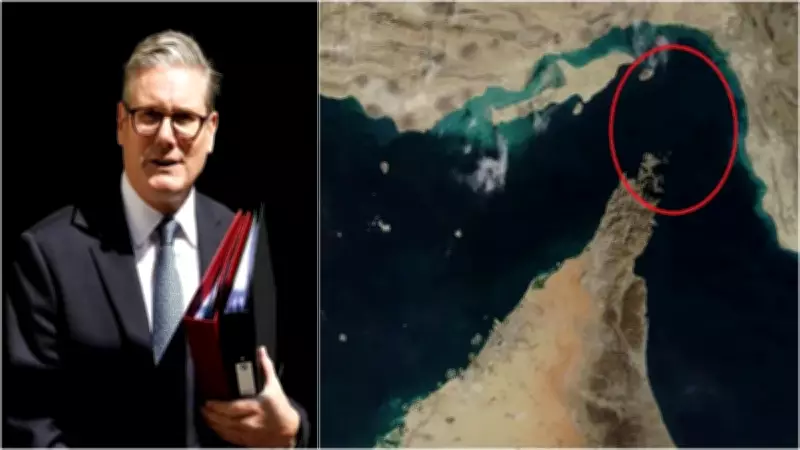
The Strait of Hormuz, located between the Persian Gulf and the Gulf of Oman, is one of the world's most critical oil chokepoints, handling approximately 20-30% of global oil trade. Recent tensions involving Iran, including naval exercises and threats to maritime security, have raised alarms among major economies reliant on this route. The UK's initiative aims to foster diplomatic dialogue and coordinate efforts to ensure safe passage, reflecting broader geopolitical anxieties.
Key Objectives of the Summit
The meeting will focus on several core objectives:

- Enhancing Maritime Security: Developing strategies to protect commercial vessels and prevent conflicts in the region.
- Diplomatic Engagement: Encouraging dialogue with Iran to de-escalate tensions and address compliance with international norms.
- Economic Stability: Safeguarding global oil markets and trade flows from potential disruptions.
- Multilateral Cooperation: Strengthening alliances among participating nations to present a unified front.
Regional and International Implications
This summit underscores the growing global concern over Iran's actions, which have included seizures of ships and military posturing. Countries from Europe, Asia, and the Middle East are expected to participate, highlighting the widespread impact of any closure or conflict in the strait. Analysts warn that prolonged instability could lead to spikes in oil prices and economic repercussions worldwide, making this meeting a crucial step in preemptive diplomacy.
Future Outlook and Challenges
While the UK-led effort is seen as a positive move, challenges remain, including Iran's response and the complexity of aligning diverse national interests. The outcome could influence future security frameworks and trade policies, with potential ripple effects on global energy markets. As tensions persist, this summit represents a critical juncture in international efforts to maintain peace and stability in a volatile region.