Starmer Steps Down After Internal Party Pressure
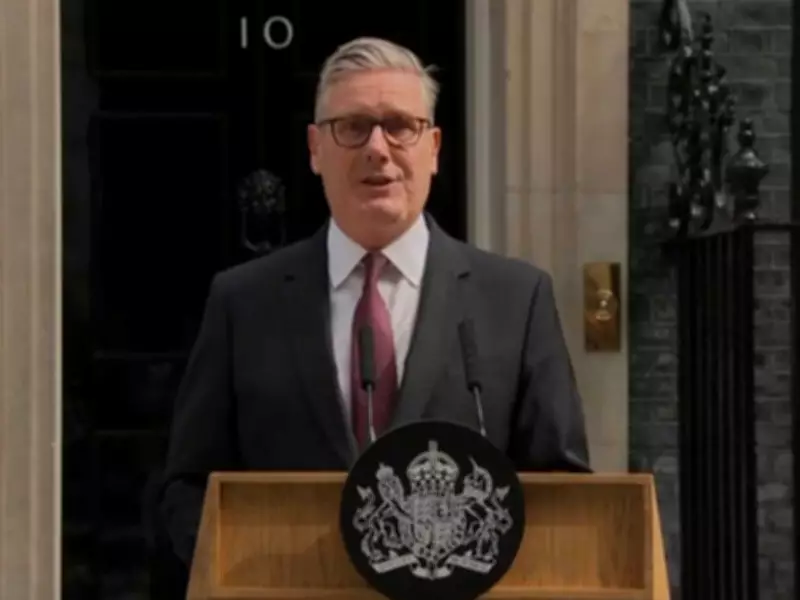
UK Prime Minister Keir Starmer announced his resignation on June 22, 2026, following intense scrutiny from within the Labour Party. In a televised address, Starmer acknowledged the internal questions about his leadership and the party's direction, stating, "I know the question being asked now is, who is best charged to take Labour forward. The question the party is asking is if I am best placed to lead the party into the next election... I have heard that answer from my party colleagues, and I accept."
Starmer confirmed he had informed King Charles III of his decision earlier that morning. He will ask the Labour National Executive Committee to initiate the process for selecting a new leader before the next parliamentary session in September. "I will give my successor the full support knowing that they will inherit a stronger Britain to ensure Labour gets a second term," he added.
Leadership Contest Timetable Set
The Labour Party's National Executive Committee has been requested to outline a leadership contest timetable. Nominations will open on July 9 and close on July 16, before the summer parliamentary recess. If a contest ensues, a new leader is expected to be in place by the time Parliament returns in September.

Starmer's resignation comes just two years after Labour secured a landslide majority in the general election. The UK now faces its sixth prime minister in seven years, ushering in a period of political uncertainty.
Mounting Pressures and Key Events
Political pressure on Starmer had escalated sharply in recent months. The crisis deepened after Labour Party rival Andy Burnham won a parliamentary seat, positioning him as a potential frontrunner for the leadership. Starmer's authority was further weakened by disastrous local election results and his controversial decision to appoint Peter Mandelson—who has associations with convicted sex offender Jeffrey Epstein—as the UK's envoy to the United States.
Following consultations with cabinet colleagues, advisers, donors, and trade union leaders, Starmer concluded that his position had become untenable.
Emotional Farewell and Family Tribute
In his resignation speech, an emotional Starmer thanked his wife Victoria for "being a rock by my side in good times and bad." He reflected, "When I leave the biggest job in the country, I shall spend more time on the most important job, being the best husband I can to my fantastic wife Vic. And being the best dad I can to my beautiful children who are my pride and joy."
The resignation marks a dramatic turn for the Labour government, which swept into power with a landslide majority only two years ago. The party now must quickly regroup to select a new leader ahead of the next general election.