

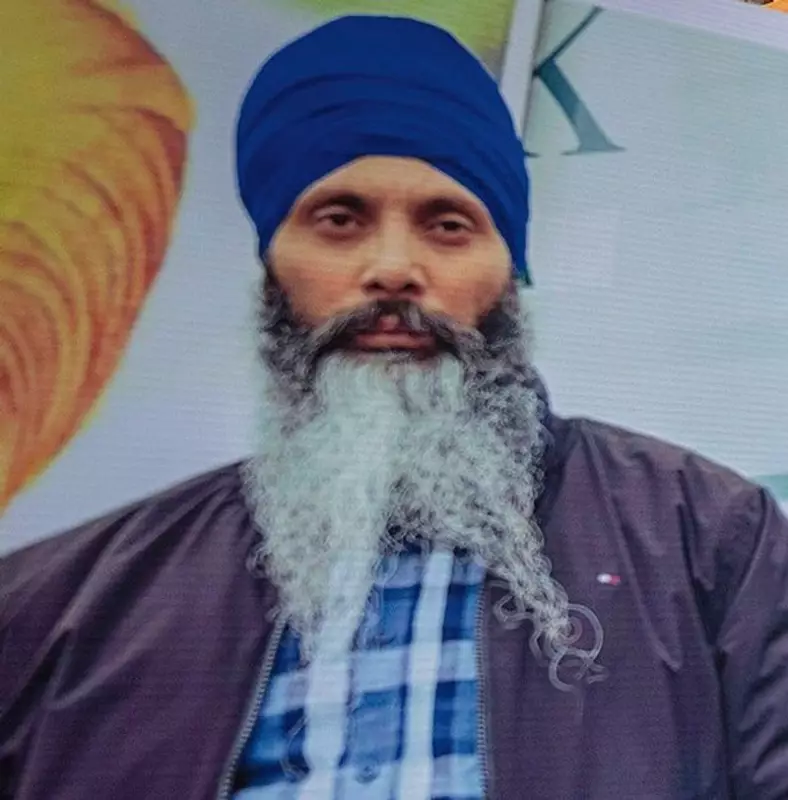
British intelligence agencies reportedly played a crucial role in providing Canada with information that allegedly connects Indian government officials to the killing of Khalistani separatist Hardeep Singh Nijjar, according to a recent investigative report.
The Intelligence Sharing That Sparked a Diplomatic Crisis
The report reveals that UK spies handed over intelligence to their Canadian counterparts suggesting potential involvement of Indian officials in the Nijjar case. This intelligence sharing occurred before Canadian Prime Minister Justin Trudeau made his explosive allegations in Parliament about India's possible connection to the killing.
The intelligence was reportedly gathered through signals intelligence (SIGINT), which involves intercepting electronic communications. This information formed a significant part of the evidence that led Canada to make its public accusations against India in September 2023.

Five Eyes Alliance and International Implications
The intelligence sharing occurred within the framework of the Five Eyes intelligence alliance, which includes the United States, United Kingdom, Canada, Australia, and New Zealand. This development highlights how the Nijjar case has become an international security matter involving multiple Western nations.
According to the report, UK intelligence agencies intercepted communications of Indian officials that allegedly discussed the Nijjar case. These intercepts were then shared with Canadian intelligence services through established intelligence-sharing channels.
The involvement of UK intelligence adds another layer of complexity to the already strained relations between India and Canada. The diplomatic row began when Prime Minister Trudeau publicly accused India of potential involvement in Nijjar's killing on September 18, 2023, during a session in the Canadian Parliament.
Ongoing Investigation and Diplomatic Fallout
Hardeep Singh Nijjar, a designated terrorist in India, was shot and killed outside a gurdwara in Surrey, British Columbia, on June 18, 2023. The 45-year-old was the chief of the banned Khalistan Tiger Force and was wanted in India for multiple terrorism-related cases.
Following Trudeau's allegations, India rejected the claims as "absurd and motivated" and temporarily suspended visa services for Canadian citizens. The diplomatic tension led to both countries expelling senior diplomats in a tit-for-tat move.
The investigation into Nijjar's killing continues, with Canadian authorities yet to make any arrests or present concrete evidence publicly. The involvement of UK intelligence agencies, however, suggests that the case has broader international security implications beyond bilateral India-Canada relations.
This development comes at a sensitive time when India is seeking to strengthen its strategic partnerships with Western nations. The revelation about UK intelligence involvement could potentially affect India's relations with other Five Eyes alliance members, particularly the United Kingdom.
The Indian government has consistently maintained that it had no involvement in Nijjar's killing and has instead accused Canada of harboring terrorists and extremists. New Delhi has repeatedly expressed concerns about what it describes as Canada's permissive approach toward Khalistani separatists operating from Canadian soil.






