

The United States has announced that Venezuelan President Nicolas Maduro will visit India, a move that has raised questions about India's foreign policy directions. The announcement was made by US Secretary of State Marco Rubio, who stated that the visit is part of broader diplomatic engagements between the US and India. However, the Congress party in India has expressed concerns over the timing and implications of this visit, given the ongoing political tensions in Venezuela.
Background of the Visit
Venezuelan President Nicolas Maduro has been a controversial figure internationally, with many countries, including the US, not recognizing his legitimacy. The US had previously imposed sanctions on Venezuela and supported opposition leader Juan Guaido. The announcement of Maduro's visit to India thus marks a significant shift in US policy or at least a nuanced approach. Secretary Rubio's statement did not clarify the purpose of the visit, but it is speculated that energy cooperation and regional stability might be on the agenda.
Congress Party's Response
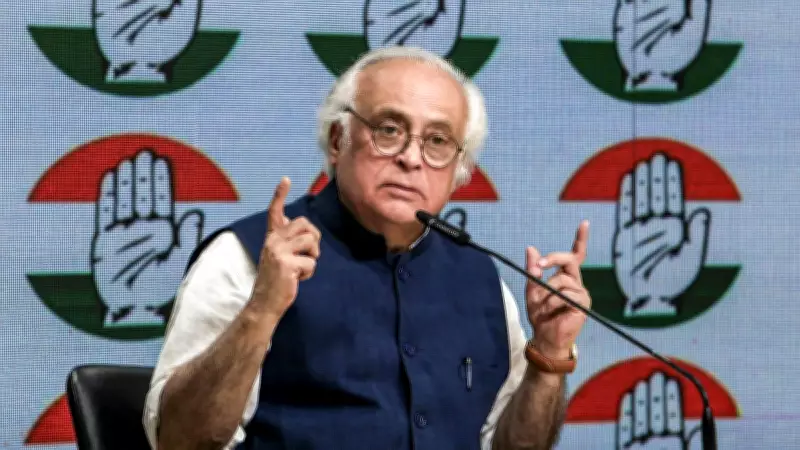
The Indian National Congress has criticized the central government for its handling of foreign policy, particularly in relation to Venezuela. Congress spokesperson Pramod Tiwari said, “The government must clarify its stance. Are we aligning with the US or taking an independent position? This visit could have diplomatic repercussions.” The party has demanded a statement in Parliament regarding the visit and its implications for India's relations with the US and other nations.

Implications for India's Foreign Policy
India has traditionally maintained a non-aligned foreign policy, but recent years have seen a closer relationship with the US. The visit of Maduro could test this balance. Experts suggest that India might use this visit to diversify its energy sources, as Venezuela has significant oil reserves. However, it also risks antagonizing the US, which has been a key strategic partner. The Congress party argues that the government should have consulted with opposition parties before agreeing to such a high-profile visit.
- Energy Cooperation: Venezuela is a major oil producer, and India is a large consumer. This visit could lead to energy deals that benefit both countries.
- Diplomatic Balancing: India may be trying to maintain its independent foreign policy by engaging with nations that are at odds with the US.
- Regional Stability: The visit could also be a platform to discuss regional issues in Latin America and the Caribbean.
The announcement comes at a time when the US is recalibrating its foreign policy under the Biden administration. The visit of Maduro to India might be a signal that the US is willing to re-engage with Venezuela, though through a third party. However, the Congress party's concerns highlight the domestic political implications of such diplomatic moves. The government has yet to officially comment on the visit, but sources suggest that it will go ahead as planned.
In conclusion, the US announcement of Maduro's visit to India has opened a new chapter in India's foreign policy discourse. While the government sees it as an opportunity for energy security and diplomatic engagement, the Congress party views it as a potential compromise of India's strategic interests. The coming weeks will reveal how this visit shapes India's relations with the US and the world.






