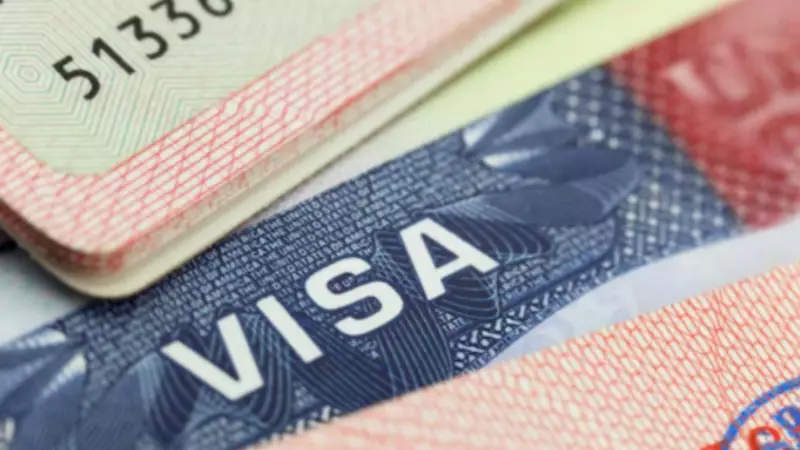
The United States has introduced a significant new financial requirement for visa applicants from Bangladesh. Starting January 21, 2026, all Bangladeshi citizens approved for B1/B2 business or tourist visas must pay a bond of up to $15,000.
Key Details of the New Visa Bond Requirement
The U.S. Embassy in Dhaka made this announcement through an official post on X. The embassy clearly stated that this bond requirement applies specifically to Bangladeshi nationals who receive approval for B1/B2 visas after the implementation date.
Important exemption: The embassy clarified that this new rule does not affect individuals who already hold valid B1/B2 visas issued before January 21, 2026. Their existing visas remain valid under previous terms.

Critical Warning Against Advance Payments
The embassy issued a strong caution to visa applicants regarding payment timing. "Do NOT pay your bond in advance," the statement emphasized. The embassy explained that early payment provides no guarantee of visa approval and could expose applicants to potential scams through third-party websites.
Most significantly, the embassy declared that any payment made before the visa interview will not be refundable. This creates a substantial financial risk for applicants who might be tempted to pay early in hopes of securing their visa.
Refund Conditions and Visa Compliance
While the bond payment does not guarantee visa approval, the embassy outlined specific conditions for refunds. The $15,000 bond will be returned in two scenarios:
- If the visa application is denied
- If the visa holder demonstrates full compliance with all visa terms during their stay in the United States
This refund mechanism creates a financial incentive for visa holders to strictly adhere to their visa conditions, particularly regarding departure dates and permitted activities.
Bangladesh Joins Expanded List of Affected Countries
Bangladesh represents one of 38 countries now facing these bond requirements under the Trump administration's immigration policy changes. The complete list includes nations from multiple regions:
- South Asia: Bangladesh, Bhutan, Nepal
- Africa: Algeria, Angola, Benin, Botswana, Burundi, Cape Verde, Djibouti, Gabon, Gambia, Guinea, Guinea-Bissau, Ivory Coast, Malawi, Mauritania, Namibia, Nigeria, Sao Tome and Principe, Senegal, Tanzania, Togo, Uganda, Zambia, Zimbabwe
- Caribbean and Pacific Islands: Antigua and Barbuda, Dominica, Fiji, Tonga, Tuvalu, Vanuatu
- Other Regions: Central African Republic, Cuba, Kyrgyzstan, Tajikistan, Turkmenistan, Venezuela
Policy Context and Immigration Objectives
The Republican administration under President Donald Trump has consistently pursued stricter immigration measures. This bond requirement represents the latest in a series of policies aimed at tightening entry procedures.
Administration officials argue that these bonds serve to deter visitors from overstaying their visas for tourism or business purposes. The policy aligns with broader efforts to enhance domestic security through more rigorous vetting processes.
Previous measures have included requirements for in-person interviews, disclosure of social media histories spanning several years, and detailed accounts of applicants' and their families' previous travel and living arrangements.
Impact on Bangladeshi Applicants
For many in Bangladesh, this $15,000 bond requirement may make U.S. visa applications financially prohibitive. The substantial amount represents a significant barrier, particularly for middle-class applicants seeking business or tourism opportunities in the United States.
The embassy's warning against advance payments adds another layer of complexity, requiring applicants to navigate the process carefully to avoid financial losses. Human rights organizations have criticized such policies, arguing they restrict access to due process and create unnecessary burdens on legitimate travelers.
As January 2026 approaches, prospective visa applicants from Bangladesh must prepare for these new financial requirements while heeding the embassy's specific warnings about payment timing and refund conditions.