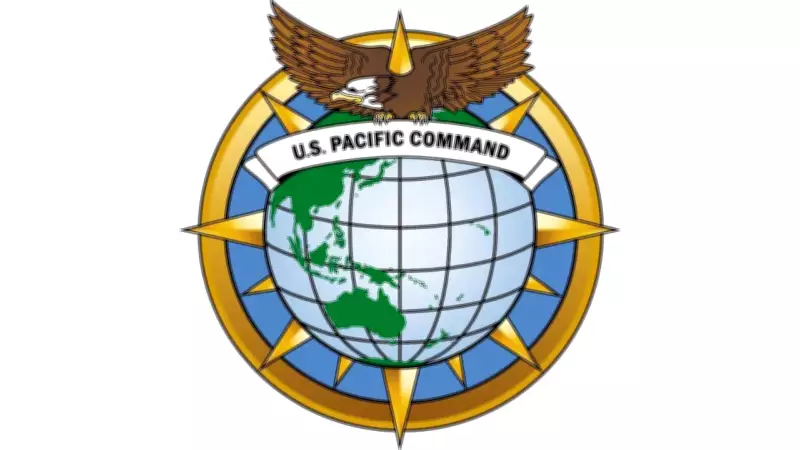
In a significant reversal of an eight-year-old policy, the US administration has reverted the name of its unified combatant command from 'US Indo-Pacific Command' back to 'US Pacific Command', dropping the term 'Indo' from its title. This change, implemented under the Trump administration, restores the original name of the oldest and largest US combatant command, which spans from the US West Coast to India's western border.
Background of the Name Change
The 'US Pacific Command' had operated under its original name for over 70 years before being renamed the 'US Indo-Pacific Command' in 2018 during President Donald Trump's first term. That change was intended to recognize the growing strategic importance of the Indian Ocean in US defense planning. While the US has not officially cited a reason for reverting to the old name, analysts suggest that recent strains in Indo-US relations may have influenced the decision.
No Change in Command's Role
The Department of Defense has clarified that the renaming does not alter the command's area of responsibility, which stretches from India's western border to America's Pacific coastline. Its fundamental mission and commitment to maintaining a free and open theater alongside regional allies and partners remain unchanged, according to an official statement.

Historical Significance
The US Pacific Command (USPACOM) was originally established by former President Harry Truman after World War II. The Defense Department stated that restoring the legacy USPACOM designation honors the command's deep historical roots, fostering pride and collective spirit among those serving in the Pacific.
Geographic and Strategic Scope
USPACOM encompasses roughly 52% of the Earth's surface, covering nations such as Japan, South Korea, Australia, New Zealand, the Philippines, Thailand, and India. Led by Admiral Samuel Paparo, the command includes over 375,000 military and civilian personnel. Its primary roles include securing US interests, deterring aggression, and managing international disputes across the Pacific and Indian Oceans.
The command provides the tactical backbone for broader geopolitical frameworks like the Quad to counter regional expansion. Extending from the Arctic to the Antarctic, USPACOM works with partners to promote development, enhance security, deter aggression, and provide humanitarian assistance.