US and European Diplomats Clash Publicly at Munich Security Conference
The Munich Security Conference, a key forum for international security dialogue, witnessed a dramatic public confrontation between American and European officials on February 14, 2026. The exchange highlighted growing tensions over Ukraine and the future of transatlantic cooperation.
Heated Exchange Over Ukraine Funding and Global Leadership
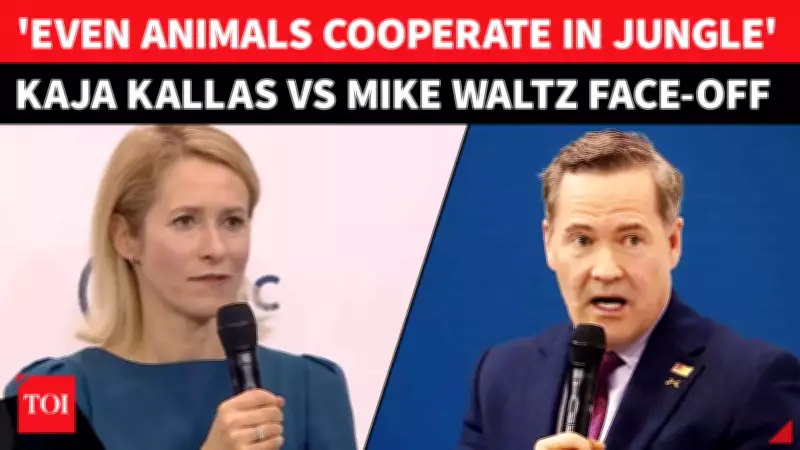
During the session, Kaja Kallas, the European Union's High Representative for Foreign Affairs and Security Policy, delivered a forceful rebuttal to assertions from the United States. She specifically addressed claims that European nations are not contributing sufficiently to global institutions like the United Nations and efforts in Ukraine.
Facing her was Mike Waltz, the United States Ambassador to the United Nations, who defended Washington's evolving strategic posture. Waltz articulated the US perspective on burden-sharing and international responsibilities, leading to a pointed and heated debate.

Widening Rifts in Western Alliance
This public disagreement underscores a significant and widening rift between traditional Western allies. The core issues revolve around:
- Financial contributions to sustain Ukraine's defense against ongoing aggression.
- The division of responsibilities in managing global security forums and crises.
- Differing strategic priorities and approaches to international diplomacy under current administrations.
Analysts suggest the Munich clash is symptomatic of deeper disagreements on how to collectively address challenges from Russia and other global actors. The conference, intended to foster unity, instead became a stage for airing these fundamental disputes.
Broader Context of the Conference
The incident occurred against a backdrop of high-stakes diplomacy. The Munich Security Conference also featured discussions on:
- Continued support for Ukraine, with President Volodymyr Zelensky meeting European allies.
- Escalating tensions in the Middle East and potential US military preparations.
- Strategic competition with China and Iran, as indicated by other reported developments.
The public nature of the Waltz-Kallas confrontation signals that diplomatic disagreements, once handled behind closed doors, are increasingly spilling into public view, potentially affecting coalition cohesion and international policy coordination.