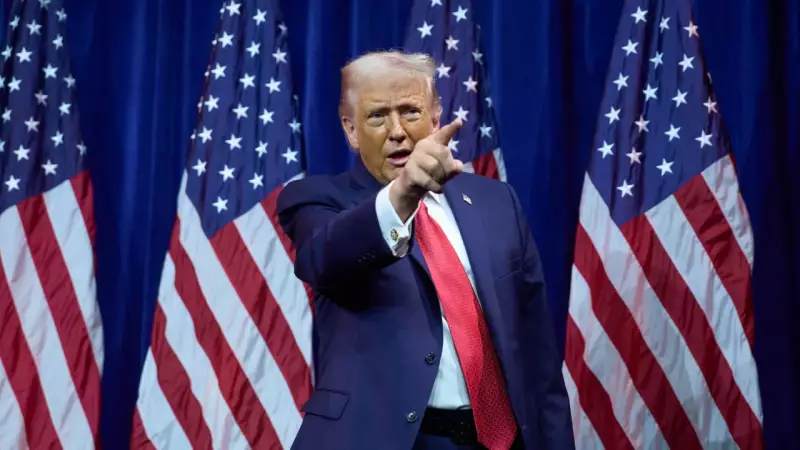
In a sweeping move that has sent shockwaves through the international community, President Donald Trump has officially withdrawn the United States from a staggering 66 international organisations and treaties. Announced on January 8, 2026, this decision marks one of the most significant shifts in American foreign policy in recent decades.
A Strategic Pullback From Global Commitments
The White House framed this mass exit as the result of a comprehensive review. According to official statements, the review identified numerous treaties and institutions that no longer align with US national interests. The administration argues that this reset is necessary to reclaim American sovereignty and focus resources on domestic priorities.
Among the most notable exits is the India-led International Solar Alliance (ISA). Conceived as a flagship platform, the ISA's core mission is to massively expand solar energy adoption, particularly in sun-rich developing nations. India has positioned itself as a leader in this global clean energy partnership, making the US departure a particularly symbolic blow.

India's Climate Leadership in the Spotlight
The American withdrawal from the ISA poses a direct test for global climate cooperation. It raises a critical question: can global climate leadership succeed without Washington's participation and funding? For India, this moment is both a challenge and an opportunity. With the US stepping back from multilateral frameworks, the world's attention turns to whether New Delhi can steer and sustain South-led alliances like the ISA.
This move places India's role in shaping the future of clean energy cooperation under an intense global spotlight. Analysts suggest that India must now work even harder to consolidate support among other member nations, ensuring the alliance remains robust and effective in achieving its solar energy goals.
Global Reactions and the Road Ahead
The decision has predictably drawn sharp reactions from across the political spectrum. Critics, including many foreign policy experts and environmental advocates, condemn it as a retreat from global responsibility. They warn that abandoning such a wide array of international agreements could undermine decades of diplomatic progress and weaken America's influence on the world stage.
Conversely, supporters of the Trump administration hail the move as a long-overdue "sovereignty reset." They argue that the US has been overextended in international bodies that often work against its interests and that this strategic pullback allows for a more focused and independent foreign policy.
The immediate consequences are manifold. Beyond the climate sphere, the withdrawal from dozens of other agencies covering trade, security, and cultural cooperation will necessitate a realignment of global diplomatic engagements. For India, the path forward involves navigating a more complex international landscape where traditional alliances are being re-evaluated, and new leadership vacuums are emerging.