

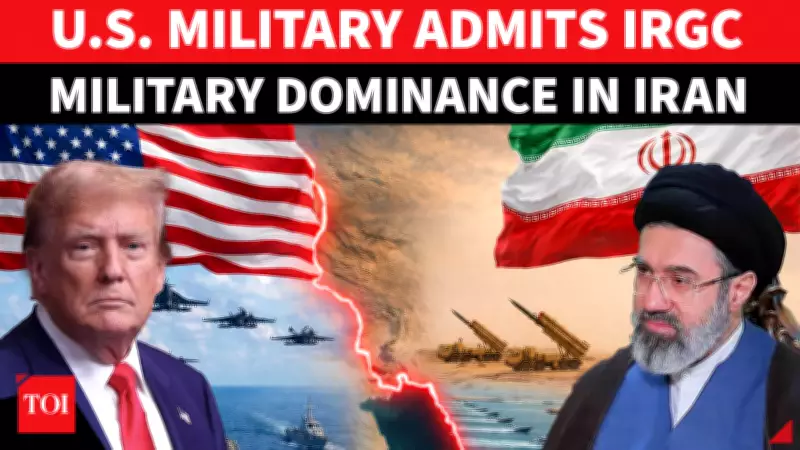
Brad Cooper, the top U.S. commander overseeing Middle East operations, told the United States Senate Armed Services Committee that although Iran’s military has been “dramatically degraded,” Tehran still wields outsized influence over global shipping lanes through rhetoric and psychological pressure alone. He said threats from Iran are loudly heard by the merchant and insurance industries, impacting movement through the Strait of Hormuz even without direct action.
General's Remarks Challenge Trump's Stance
The testimony comes amid heightened tensions between the U.S. and Iran, with President Donald Trump pursuing a maximum pressure campaign. Cooper's assessment suggests that military degradation has not translated into diminished Iranian influence, as the Islamic Revolutionary Guard Corps (IRGC) remains dominant in projecting power through non-kinetic means.
Psychological Warfare Over Shipping Lanes
Cooper emphasized that the mere threat of Iranian action is enough to disrupt global trade. Insurance premiums for vessels transiting the Strait of Hormuz have skyrocketed, and some shipping companies are rerouting despite no recent attacks. This psychological impact, he argued, gives Tehran leverage disproportionate to its military capabilities.

Calls for Diplomatic Engagement
The general's remarks implicitly criticized the current administration's refusal to negotiate, suggesting that dialogue could be more effective than continued confrontation. He noted that Iran's influence is sustained by perception, and direct talks might reduce the perceived threat.
Reactions and Implications
Senators from both parties pressed Cooper on whether the U.S. strategy needs recalibration. Some Republicans expressed concern that acknowledging Iranian dominance could embolden Tehran, while Democrats argued it validates the need for diplomacy. The hearing underscores deep divisions over how to handle Iran's regional role.
Iran has not officially responded to Cooper's testimony, but state media highlighted his acknowledgment of Iranian influence as a vindication of its policies. Meanwhile, the White House has not commented, though sources indicate frustration with the general's public assessment.






