US Shifts Focus to Economic Pressure with New Iran Sanctions
The United States has decided to hold off on immediate military action against Iran. Instead, the administration has rolled out a significant package of new economic sanctions. These measures specifically target Iranian officials accused of orchestrating a violent crackdown on nationwide protests. The sanctions also aim at companies that support Tehran's shadowy oil trade operations.
Key Figures and Entities Sanctioned
At the top of the new sanctions list is Ali Larijani. He serves as the head of Iran's national security council and is a close confidant of Supreme Leader Ali Khamenei. The US Treasury Department directly accuses Larijani of coordinating the harsh government response to protests.
Human rights groups estimate the crackdown has resulted in thousands of deaths. The US-based nonprofit Human Rights Activists in Iran reports the death toll has now surpassed 2,600 individuals. Arrests have exceeded 19,000 people.

The sanctions also extend to several commanders within the Islamic Revolutionary Guard Corps. This branch is a powerful element of Iran's military. Senior police officials are included in the penalties as well. These sanctions effectively block the targeted individuals from accessing the US financial system.
Targeting Illicit Oil Trade Networks
Beyond individuals, the Treasury Department has sanctioned entities it says assist in laundering proceeds from Iranian oil sales. This activity occurs through a shadow banking network. Companies based in the United Arab Emirates allegedly serve as fronts to support Iran's oil trade.
Iran has reportedly used the UAE, a US security partner, to launder funds and evade existing sanctions. These financial channels are said to help finance Iranian proxies in the region, including groups like Hezbollah.
Military Action Temporarily on Hold
President Trump had repeatedly threatened military strikes if Iran launched a violent crackdown. He encouraged Iranian protesters to remain in the streets. However, officials advised the president that the US lacked sufficient forces in the region to deal a decisive blow to the regime. They also warned of potential retaliatory strikes.
Based on this advice, the decision was made to pause military action. The president has not yet decided whether to exercise a military option in the future. Advisers presented a range of alternatives, from cyber operations to increased economic pressure.
Treasury Secretary Scott Bessent stated the new sanctions were implemented at President Trump's direction. He emphasized they target key leaders involved in the brutal crackdown against the Iranian people.
Regional Tensions and Gulf State Concerns
Gulf states have expressed deep concern about potential US military action. They fear both unrest spilling over from Iran and retaliatory strikes on their own territory. These countries have urgently lobbied the US against carrying out a strike.
Larijani recently contacted Arab countries in the region with a stark warning. He threatened retaliation against US military bases on their soil if Washington were to attack Iran. Iran has publicly issued similar threats.
An attack appeared imminent earlier in the week. The US moved some personnel out of the key Al-Udeid air base in Qatar. Iran shut its airspace, and Gulf officials braced for potential strikes. While relieved an attack did not occur, Gulf officials believe a strike remains likely once the US positions adequate forces in the region.
Background of the Protests and Government Response
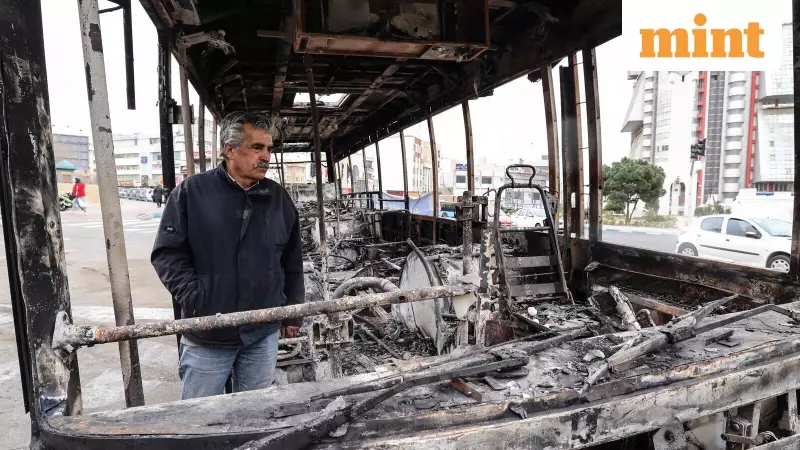
The protests began last month, ignited by a worsening economic crisis. General discontent with the regime fueled their spread from Tehran to much of the country. Protesters have openly called for regime change, chanting slogans against the leadership.
The Iranian government responded with a severe crackdown. Protesters and human rights groups report the use of live ammunition against demonstrators. An internet shutdown has severely restricted the flow of information from inside Iran. However, verified footage has emerged showing rows of corpses in body bags.

Additional Economic Measures Announced
On Monday, President Trump announced the US would impose a 25% tariff on countries that continue to do business with Iran. Treasury Secretary Bessent reiterated this message while announcing the fresh sanctions. It remains unclear how these tariffs would affect America's business and security partners in the region.
Billions of dollars in trade flow annually between Iran and Gulf states. These same countries host critical US military facilities. Turkey, a NATO member, is also a significant trading partner with Iran, adding another layer of complexity to the economic pressure campaign.
President Trump is closely monitoring how Tehran treats the protesters. This monitoring will inform his final decision on a future course of action regarding Iran.