

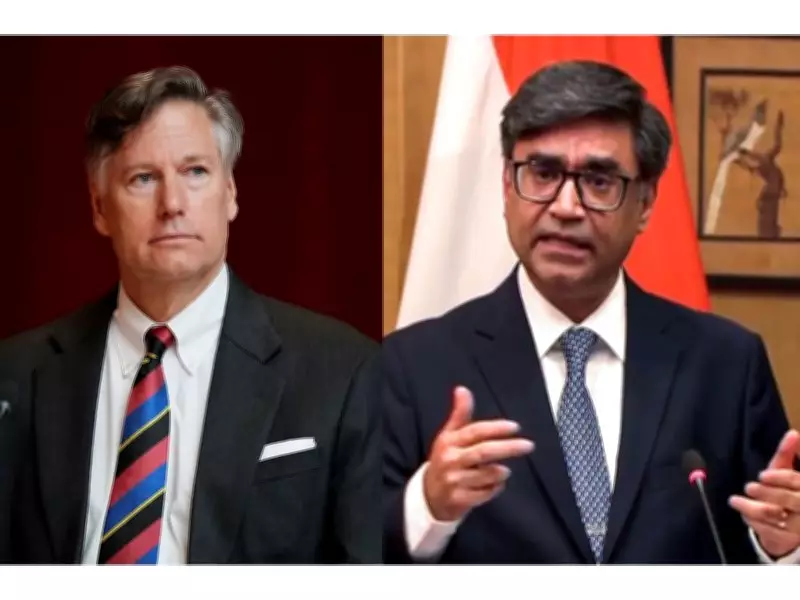
US-India Strategic Partnership Advances with High-Level Diplomatic Meeting in Washington DC
In a significant development underscoring the deepening strategic partnership between the United States and India, Foreign Secretary Vikram Misri held a crucial meeting with US Deputy Secretary of State Kurt Campbell in Washington DC. This high-level diplomatic engagement took place against the backdrop of escalating tensions in the Persian Gulf region, highlighting the shared interests and growing alignment between the two major democracies on global security issues.
Key Discussions on Bilateral Cooperation and Regional Stability
The meeting between Foreign Secretary Misri and Deputy Secretary Campbell focused extensively on enhancing bilateral cooperation across multiple domains, including defense, trade, and technology. Both sides reaffirmed their commitment to strengthening the US-India Comprehensive Global Strategic Partnership, which has become a cornerstone of stability in the Indo-Pacific region. The discussions also delved into collaborative efforts to address common challenges such as cybersecurity threats and climate change, reflecting the broad-based nature of the relationship.
Regional security concerns, particularly the volatile situation in the Persian Gulf, were a central topic of conversation. The officials exchanged views on maintaining maritime security, ensuring freedom of navigation, and promoting diplomatic resolutions to conflicts in the Middle East. This dialogue underscores India's proactive role in global affairs and its alignment with US strategic objectives in key geopolitical hotspots.

Implications for US-India Relations Amid Global Uncertainties
This meeting marks a continued upward trajectory in US-India ties, building on recent high-level visits and agreements. The engagement signals a mutual desire to coordinate closely on international issues, leveraging India's growing influence and the US's global leadership. Analysts note that such interactions are critical for fostering trust and operational synergy between the two nations, especially as they navigate complex regional dynamics like those in the Persian Gulf.
The outcomes of this discussion are expected to pave the way for further collaborative initiatives, including potential joint exercises and economic partnerships. As both countries face evolving threats and opportunities, this strengthened diplomatic channel reinforces their shared vision for a free, open, and rules-based international order.






