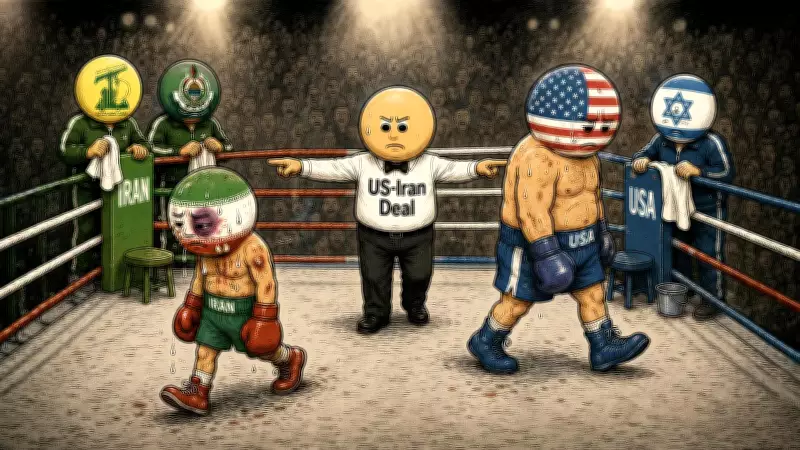
The emerging agreement between the United States and Iran is expected to create a temporary breathing space for the global economy, but uncertainties persist as President Donald Trump has yet to sign off on the deal. According to initial reports, the proposed agreement focuses on reopening the Strait of Hormuz, providing some sanctions relief for Iran, and implementing a temporary ceasefire for the next two months. This pause could create an opportunity to negotiate a broader agreement, including measures to ensure Iran's nuclear programme remains peaceful.
What the Deal Entails
The tentative deal, if approved by Trump, would mark a significant shift in US-Iran relations. Key components include:
- Reopening of the Strait of Hormuz: A critical chokepoint for global oil shipments, its closure has disrupted energy markets and raised prices.
- Sanctions relief for Iran: Limited easing of economic sanctions to incentivize compliance and further negotiations.
- Temporary ceasefire: A two-month halt to hostilities, providing a window for diplomatic talks.
However, analysts warn that the deal is fragile. Geopolitical tensions and political dynamics within both the Trump administration and among Iranian hardliners could lead to a resumption of conflict after a few months.

Global Economic Impact
The world economy has been under strain due to the US-Iran standoff, with disruptions in oil supply and heightened uncertainty. A temporary deal could stabilize energy markets and boost investor confidence. Yet, the lack of a permanent resolution means risks remain elevated.
Jane Kinninmont, a geopolitical analyst, notes that the deal is a "breather for now" but questions its longevity. "The underlying issues are not resolved, and political forces on both sides could easily derail the process," she says.
Political Challenges
Within the US, Trump faces pressure from hawkish advisors who oppose any concessions to Iran. Meanwhile, Iranian hardliners view the deal as a betrayal of revolutionary principles. These internal divisions could undermine the ceasefire and prevent a comprehensive agreement.
Observers emphasize that the next two months are critical. If both sides can build trust and address core concerns—such as Iran's ballistic missile program and regional influence—a lasting peace may be achievable. Otherwise, the world could see a return to brinkmanship.
Conclusion
The tentative US-Iran deal offers a glimmer of hope for the global economy, but it is no more than a temporary reprieve. The path to a sustainable resolution remains fraught with political and geopolitical obstacles. As the world watches, the next steps will determine whether this breather leads to lasting peace or merely delays the next crisis.