

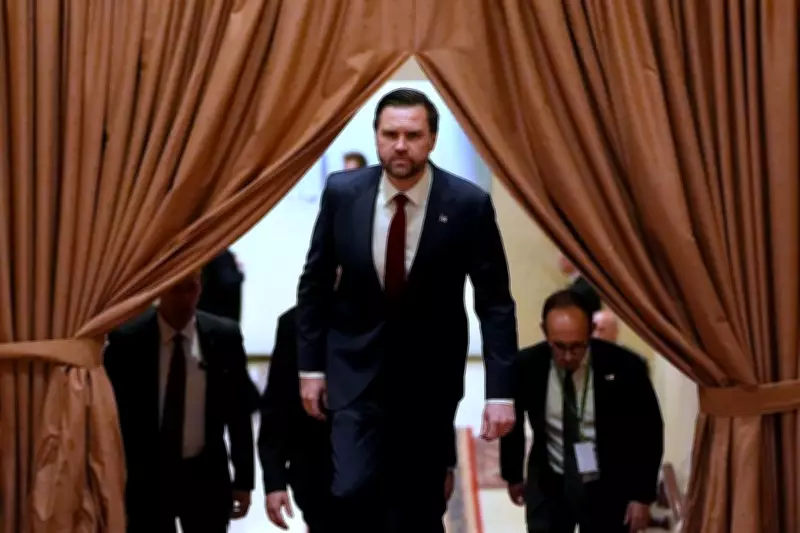
US-Iran Nuclear Talks Collapse in Islamabad, Vance Returns Without Deal
High-stakes diplomatic negotiations between the United States and Iran have collapsed in Islamabad, Pakistan, with US Special Envoy Derek Vance returning to Washington without securing a deal. The talks, aimed at reviving the 2015 nuclear agreement, broke down over unresolved issues, marking a significant setback for regional stability and international non-proliferation efforts.
Key Points of Contention
The discussions, held over several days, faltered primarily due to disagreements on sanctions relief and Iran's nuclear program limits. US officials insisted on stricter verification measures to ensure Iran's compliance, while Iranian negotiators demanded immediate and comprehensive sanctions removal. This deadlock reflects deep-seated mistrust that has persisted since the US withdrawal from the Joint Comprehensive Plan of Action (JCPOA) in 2018.
Additionally, regional security concerns, including Iran's ballistic missile activities and support for proxy groups, further complicated the negotiations. The failure to bridge these gaps has left both sides in a precarious position, with potential implications for global oil markets and Middle East geopolitics.

Implications for Regional and Global Dynamics
The collapse of talks is expected to heighten tensions in the Middle East, potentially leading to increased military posturing and proxy conflicts. International observers warn that without a diplomatic resolution, Iran may accelerate its nuclear enrichment activities, bringing it closer to weapons-grade capabilities.
This development also poses challenges for US foreign policy, as the Biden administration faces pressure from allies and domestic critics to address Iran's nuclear ambitions. The return of envoy Vance without a deal underscores the complexities of engaging with Tehran amid ongoing political and economic uncertainties.
Future Prospects and Diplomatic Efforts
Despite the setback, both sides have indicated a willingness to resume talks in the future, though no specific timeline has been set. Analysts suggest that indirect negotiations through intermediaries or multilateral forums may be explored to de-escalate the situation.
The international community, including European powers and China, is likely to intensify efforts to mediate, emphasizing the need for a peaceful resolution to prevent further destabilization. However, the path forward remains uncertain, with significant hurdles to overcome before any substantive agreement can be reached.






