

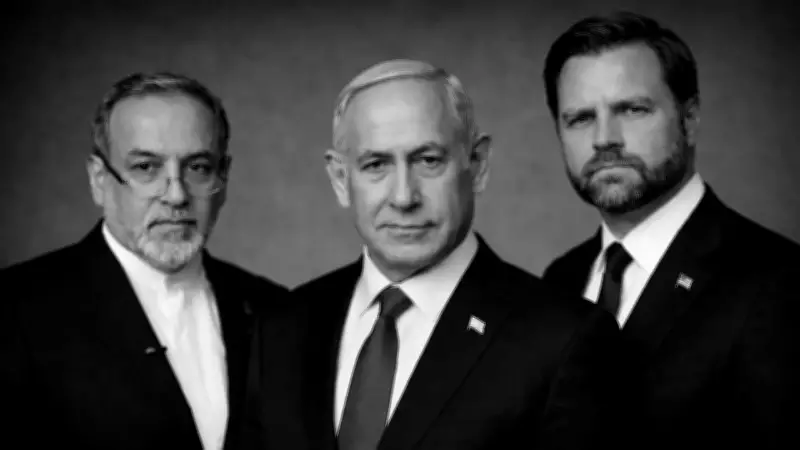
US-Iran Peace Negotiations Break Down After Marathon 21-Hour Session in Islamabad
High-stakes peace negotiations between the United States and Iran have collapsed following an exhaustive 21-hour marathon session in Islamabad, plunging a fragile two-week ceasefire into uncertainty and prompting both nations to exchange blame for the diplomatic failure.
"Final and Best Offer" Rejected as Talks Reach Impasse
US Vice President JD Vance, who spearheaded the American delegation, revealed that Iran refused to accept Washington's terms despite what he characterized as a "final and best offer." "We just could not get to a situation where the Iranians would accept our terms," Vance stated emphatically. "We leave here with a very simple proposal… this is our final and best offer. We'll see if the Iranians accept it."
Hours after the negotiations disintegrated, US President Donald Trump took to social media to declare that the talks failed because "Iran is unwilling to give up its nuclear ambitions."

Iran Points to External Interference as Key Factor
Iranian officials, however, pointed to alleged external interference as a primary reason for the breakdown. According to Iranian media reports, Foreign Minister Seyed Abbas Araghchi asserted that a phone call from Israeli Prime Minister Benjamin Netanyahu to Vice President Vance during the critical negotiations derailed progress.
"Netanyahu's call to Vance during the meeting shifted the focus from US-Iran negotiations to Israel's interests," Araghchi wrote on social media platform X, as reported by Press TV. "The US tried to achieve at the negotiating table what it could not achieve through war," he added, highlighting the deep-seated tensions.
Unresolved Issues and Atmosphere of Mistrust
The talks reportedly collapsed over several unresolved critical differences:
- Iran's controversial nuclear program
- Control and security of the strategic Strait of Hormuz
- Release of billions in frozen Iranian assets
Iranian officials emphasized that an atmosphere of profound mistrust further complicated reaching any agreement. Foreign ministry spokesperson Esmaeil Baqaei noted, "These talks happened in the aftermath of a 40-day war and in an ambiance of mistrust and skepticism."
"Naturally, we should have never expected to reach a deal in one session. We will continue to work to bring the two views of Americans and Iranians closer together," Baqaei added, suggesting diplomatic channels might remain open despite the current impasse.
Ceasefire in Jeopardy and Global Economic Implications
The failure of these crucial talks casts immediate doubt on the durability of the tenuous ceasefire that had temporarily paused escalating hostilities. While neither side has formally declared an end to the truce, the lack of progress combined with increasingly hardened rhetoric suggests that renewed confrontation remains a distinct possibility.
Uncertainty over global oil shipping and energy prices has resurfaced dramatically following the collapse of negotiations. Before the ceasefire announced on April 9, Brent crude had surged above $119 per barrel, reaching its highest level since the early phase of the Strait of Hormuz crisis. The temporary diplomatic pause had eased prices to approximately $95, but analysts warn this relief is now fading rapidly.
Financial markets across Asia are expected to react sharply when trading opens on Monday, with fears of potential disruption in the vital Strait of Hormuz likely to push oil prices significantly higher. Analysts caution that crude could surge amid renewed supply concerns, while equity markets—particularly in energy-importing economies—may face broad sell-offs.
The juxtaposition of high-stakes diplomacy in Pakistan and escalating rhetoric elsewhere underscores the fragile balance between negotiation and confrontation, with consequences that could extend far beyond the immediate region, potentially reshaping global energy markets and geopolitical alignments.






