

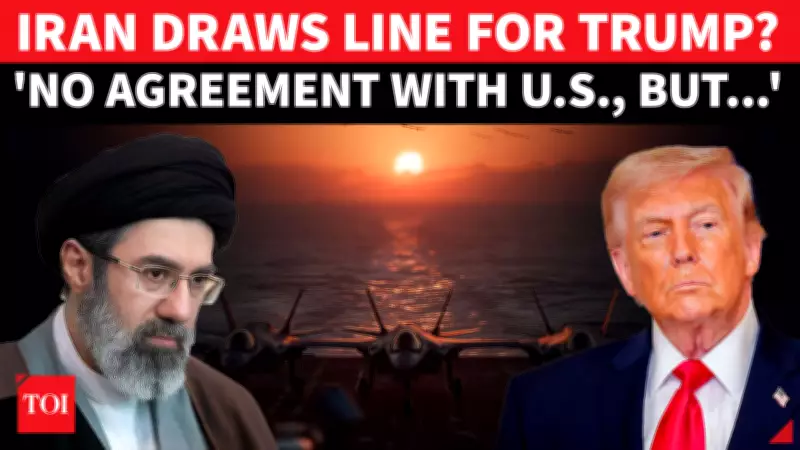
US-Iran Negotiations Conclude Without Major Progress
Diplomatic talks between the United States and Iran, held in Islamabad, have concluded without achieving a significant breakthrough. This outcome has compelled both nations to significantly scale back their ambitions for a comprehensive, long-term agreement. Instead, negotiators from Washington and Tehran are now channeling their efforts toward drafting a temporary memorandum of understanding.
Core Disputes Remain Unresolved
The primary objective of this interim pact is to establish a mechanism that prevents an immediate return to open conflict. However, it deliberately leaves the most contentious and fundamental disputes between the two countries unresolved for the time being. The most significant sticking point continues to be Iran's nuclear programme.
Washington's Position: The United States is advocating for the implementation of long-term, verifiable restrictions on Iran's uranium enrichment activities. A key demand includes the removal or significant reduction of Iran's existing stockpiles of enriched uranium.

Tehran's Stance: Iran firmly insists on its sovereign right to pursue a peaceful nuclear energy programme, including enrichment. In return for any concessions, Tehran is demanding a clear, phased roadmap for the comprehensive relief of international sanctions that have crippled its economy.
Limited Progress on Peripheral Issues
While the nuclear deadlock persists, the talks did yield limited, incremental progress on other regional security matters. One notable area is the strategic Strait of Hormuz, a critical global oil shipping chokepoint. Iranian negotiators have reportedly signalled a degree of flexibility regarding guaranteeing unimpeded shipping access through the strait, albeit under specific, negotiated conditions. This represents a minor but potentially stabilizing development.
The Path Forward: A 60-Day Window
If successfully agreed upon and signed, the proposed temporary deal is designed to create a breathing space. It would establish a 60-day negotiation window, during which teams of technical experts and representatives from relevant international agencies would work intensively to bridge the gaps on the core issues. The hope is that this structured, time-bound process could build momentum.
However, historical precedent casts a long shadow over these efforts. Past comprehensive agreements between Iran and world powers, most notably the 2015 Joint Comprehensive Plan of Action (JCPOA), took years of arduous negotiation to finalize. This history strongly suggests that any immediate outcome from the current diplomatic push is far more likely to be a temporary holding measure than a transformative, enduring resolution to the deep-seated US-Iran rivalry. The interim pact, therefore, represents a pragmatic step to manage tensions rather than solve them.






