

US-Iran Talks Conclude Without Agreement After Marathon Islamabad Session
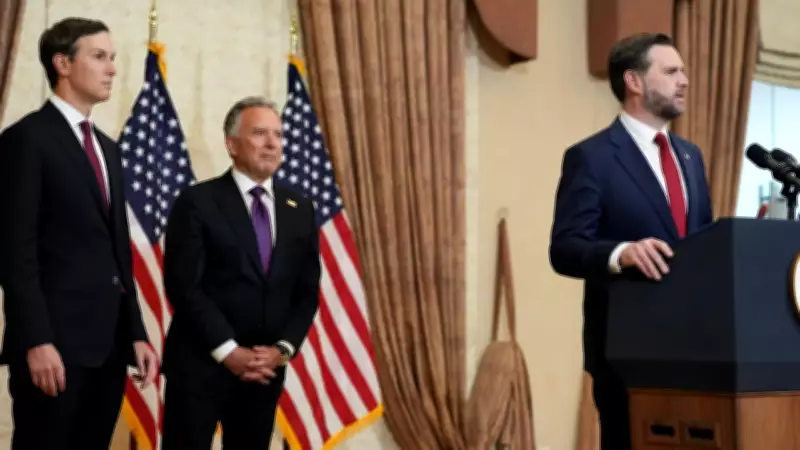
US Vice President JD Vance announced that Washington had "come here in good faith" but ultimately failed to secure a breakthrough with Iran following more than 20 hours of intensive, high-stakes negotiations in Islamabad. The talks concluded without any formal agreement, marking a significant diplomatic setback in efforts to stabilize the volatile region.
Substantive Discussions Yield No Concrete Results
"We've had a number of substantive discussions with the Iranians. That's the good news," Vance stated during a post-negotiation briefing. "The bad news is that we have not reached an agreement—and I think that's bad news for Iran much more than it's bad news for the United States."
The negotiations, which extended late into the night and continued into early Sunday morning, were conducted against the backdrop of a fragile ceasefire. This temporary truce followed weeks of escalating conflict that had severely destabilized the region and sent shockwaves through global energy markets, causing significant price fluctuations.

Persistent Divisions Over Nuclear Program and Strategic Waterway
Despite officials describing the atmosphere as largely cordial throughout the marathon session, deep and fundamental divisions persisted between the two nations. The primary sticking points centered on Iran's controversial nuclear program and its strategic control over the vital Strait of Hormuz, through which approximately one-fifth of the world's oil supply passes.
Vance emphasized that the US position had demonstrated flexibility, but he asserted that Tehran had failed to provide what Washington considers an essential assurance. "The simple fact is that we need to see an affirmative commitment that they will not seek a nuclear weapon," he declared, identifying this as President Donald Trump's "core goal" for the negotiations.
US Seeks Long-Term Guarantees Despite Recent Degradation
The Vice President acknowledged that Iran's nuclear capabilities had been significantly degraded during the recent conflict, but he stressed that the United States was seeking more permanent, long-term guarantees. "We haven't seen that yet. We hope we will," Vance added, expressing cautious optimism for future diplomatic engagement despite the current impasse.
According to Vance, the US delegation departed the talks with what he characterized as a "final and best offer," effectively placing the next move squarely in Iran's hands. "We were quite accommodating... we made our best effort to get a deal. Unfortunately, we weren't able to make any headway," he lamented, highlighting the diplomatic challenges faced during the extended negotiation session.
Iranian Officials Push Back Against US Demands
Earlier in the process, however, Iranian officials had pushed back forcefully against Washington's position, accusing the United States of making what they termed "excessive" and "unacceptable" demands. These objections particularly focused on US proposals regarding the strategic Strait of Hormuz, which Tehran has increasingly used as geopolitical leverage in recent months.
By controlling this crucial maritime chokepoint, Iran has successfully driven up global oil prices, thereby increasing economic pressure on Western governments and strengthening its negotiating position in international forums.
Rare High-Level Contact Fails to Bridge Differences
The failure to reach any agreement comes despite the rare occurrence of direct contact between senior officials from both nations. The talks included participation from high-ranking representatives such as Vance himself and Iranian parliamentary speaker Mohammad Bagher Ghalibaf, indicating the seriousness with which both sides approached these negotiations.
This diplomatic breakdown underscores the profound challenges facing international efforts to address regional security concerns, nuclear non-proliferation, and global energy stability through dialogue and negotiation rather than confrontation and conflict escalation.






