

US-Israel Leaders Strategize to Curtail Iran's Oil Revenue Through China
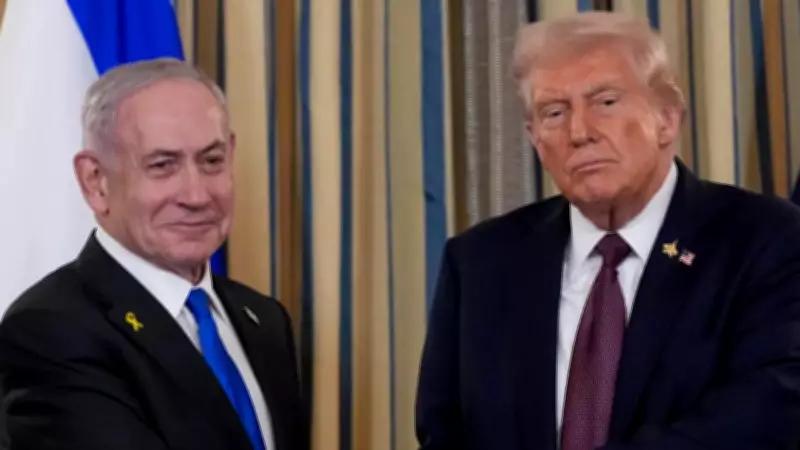
In a significant diplomatic development, US President Donald Trump and Israeli Prime Minister Benjamin Netanyahu convened at the White House on Wednesday. The high-level meeting reportedly focused on formulating concrete plans to substantially reduce Iran's crucial oil sales to China, which currently accounts for over 80 percent of the Islamic Republic's total petroleum exports.
Coordinated Pressure Campaign Amid Nuclear Negotiations
This strategic agreement unfolds against the backdrop of ongoing nuclear discussions between American and Iranian officials, facilitated through Omani mediators. A senior US official, speaking to Axios and subsequently reported by Reuters, emphasized the collaborative approach, stating, "We agreed that we will go full force with maximum pressure against Iran, for example, regarding Iranian oil sales to China." This concerted effort represents a potentially devastating blow to Iran's primary source of revenue, which heavily relies on its oil industry.
Military Preparations and Regional Deployment
The diplomatic maneuvers are occurring simultaneously with substantial US military movements in the region. The American military has positioned a naval fleet and is reportedly preparing for potential extended operations against Iran that could span several weeks, according to multiple media sources. This dual approach of economic pressure and military posturing underscores the escalating tensions.

China's official response to these developments remains conspicuously absent, as the nation observes the Lunar New Year holiday period. The silence from Beijing adds an element of uncertainty to how this critical economic relationship might be affected.
Exiled Prince Calls for Regime Change in Iran
In a separate but related development concerning US-Iran relations, Reza Pahlavi, the exiled son of Iran's last shah, made a direct appeal to President Trump during the Munich Security Conference on Saturday. Pahlavi passionately declared, "It is time to end the Islamic republic." He elaborated, "This is the demand echoing from the bloodshed of my compatriots who are not asking us to fix the regime but to help them bury it," as quoted by AFP.
Addressing Trump directly, Pahlavi told reporters, "The Iranian people heard you say help is on the way, and they have faith in you. Help them." This plea aligns with Trump's own statements from Friday, where he remarked that a change of government in Iran would be "the best thing that could happen." These comments coincided with the deployment of a second US aircraft carrier to the Middle East, intensifying military pressure on Tehran.
Earlier, Trump had issued warnings about possible military action in support of nationwide protests that peaked in January. Those demonstrations were met with a severe crackdown that human rights organizations claim resulted in thousands of casualties.
The convergence of high-stakes diplomacy, economic targeting, military preparedness, and calls for political transformation creates a volatile and rapidly evolving situation in the Middle East, with global implications for energy markets and international security.






