Senior American lawmakers have moved to clarify Washington's strategic priorities in South Asia. They emphasized that India holds central importance in America's long-term vision for the Indo-Pacific region and global stability. This clarification comes amid recent diplomatic engagements between the United States and Pakistan that raised questions about shifting alliances.
Clear Strategic Focus on India
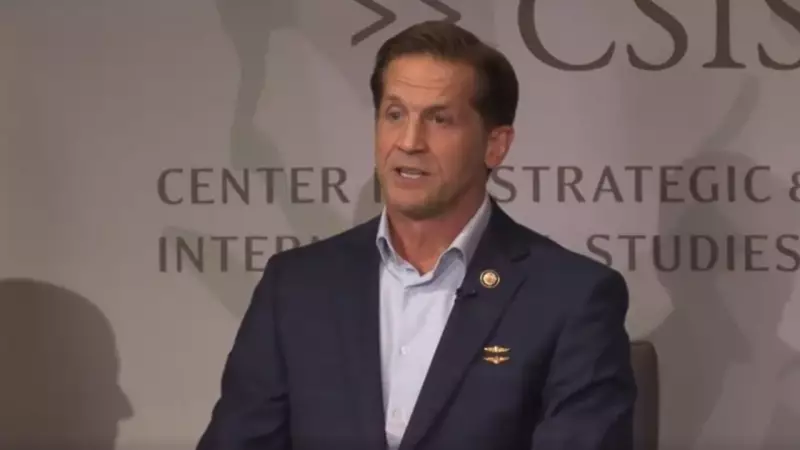
Speaking at a discussion hosted by the Center for Strategic and International Studies, Representative Rich McCormick left no doubt about India's position. "There is no more important friend that we're going to need for the future of not just the United States and India, but for the entire stability of the world, than India," McCormick stated firmly. He pointed to shared values between the two nations, particularly regarding economic approaches and the advancement of freedom.
Economic Tells the Real Story
McCormick highlighted the tangible evidence of the partnership through economic interactions. "Pakistan is a country with 300 million people. But you don't see it bringing investments into America. India not only takes investment, it also brings investments into the United States," he observed. This economic reality underscores the depth of the US-India relationship compared to other regional connections.

Representative Ami Bera reinforced this perspective, noting that routine diplomatic contacts with Pakistan should not be misinterpreted. "We're not creating a strategic partnership with Pakistan," Bera clarified. "You don't see American companies making multibillion-dollar investments in Pakistan. That's all happening in India."
Understanding India's Independent Path
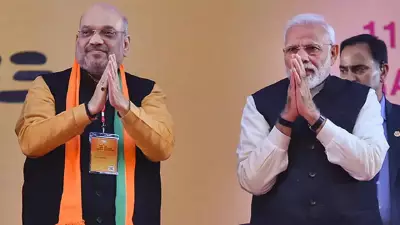
The lawmakers demonstrated understanding of India's sovereign decision-making, even when choices differ from American preferences. McCormick specifically addressed India's purchase of Russian oil, which has caused some friction. "When India buys cheap Russian oil, America hates that. But he is doing it in the best interest of his country," McCormick said, referring to Prime Minister Narendra Modi.
McCormick described Prime Minister Modi as "extremely nationalistic in a good way" for prioritizing India's interests. This acknowledgment shows Washington's acceptance of New Delhi's independent foreign policy approach while maintaining the strategic partnership.
Broader Implications of the Relationship
McCormick warned about the consequences of mishandling this crucial relationship. "If America embraces Indians as friends, we will have peace and prosperity. If we alienate them, it is going to be big trouble for all of us," he cautioned. This statement highlights the partnership's significance beyond bilateral concerns to global stability.
Current Context and Future Prospects
These reaffirmations come at a sensitive time for US-India relations. Recent tensions have emerged over multiple issues including:
- The Trump administration's imposition of 50% tariffs related to India's purchase of Russian oil
- Differences over US immigration policies
- Former President Donald Trump's claim about resolving India-Pakistan conflicts
Despite these challenges, both nations continue working toward strengthening ties. Washington and New Delhi are actively negotiating a comprehensive bilateral trade agreement. US Ambassador to India Sergio Gor has confirmed ongoing efforts to finalize a new deal that would further cement economic cooperation.
The lawmakers' statements serve as a clear message about America's strategic priorities in South Asia. They position India as the indispensable partner for American interests in the region while maintaining that engagement with Pakistan represents routine diplomacy rather than a strategic shift.