

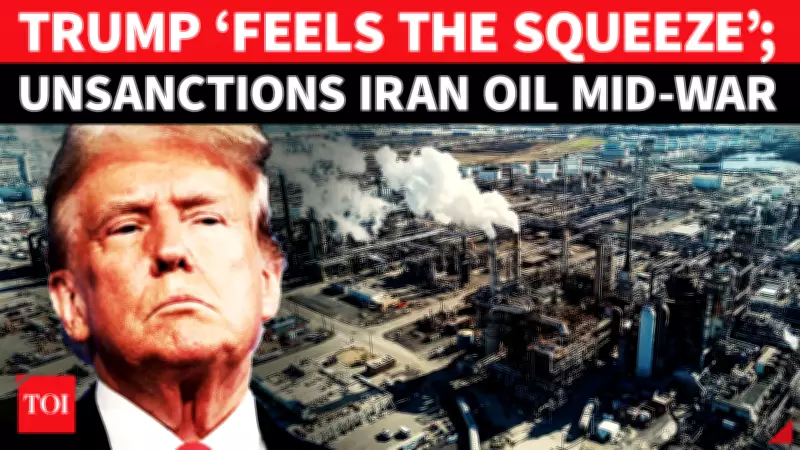
U.S. Temporarily Lifts Iran Oil Sanctions Amid Ongoing War, Sparking Global Debate
In a significant development that has ignited intense international discussion, the administration of former President Donald Trump has issued a temporary waiver permitting Iranian oil sales during the current conflict. This decision comes as global energy markets face mounting pressure, with widespread concerns over escalating prices and potential supply disruptions threatening economic stability worldwide.
Strategic Move or Forced Response to Economic Realities?
Official statements from U.S. authorities indicate that this temporary sanction relief is primarily aimed at stabilizing global oil flows and preventing further market volatility. However, critics have been quick to argue that this move could inadvertently provide economic benefits to Tehran, potentially strengthening Iran's position amidst the ongoing hostilities.
With tensions continuing to escalate and military strikes persisting in the region, serious questions are emerging about whether this represents a carefully calculated strategic maneuver or a compelled response to harsh economic realities. The global community is watching closely as this decision unfolds, with many wondering whether it will help ease the current crisis or instead contribute to greater instability in an already volatile geopolitical landscape.

Broader Context of Regional Conflict
This development occurs against a backdrop of heightened regional conflict, where recent events have included:
- Iranian threats against NATO territory following Gulf escalations
- Retaliatory attacks on Saudi oil refineries
- Direct threats from Iranian officials toward Israel and the United States
- Ongoing military engagements across multiple fronts
The temporary lifting of oil sanctions represents a notable shift in U.S. policy toward Iran during this period of intense conflict. As energy markets remain under strain and diplomatic tensions persist, the international community continues to monitor whether this approach will achieve its stated goal of market stabilization or produce unintended consequences that could further complicate an already delicate situation.
This decision highlights the complex interplay between economic pressures and geopolitical strategy in modern international conflicts, where energy security concerns often intersect with broader diplomatic and military considerations. The coming weeks will likely reveal whether this temporary measure provides the intended relief or becomes another point of contention in an increasingly polarized global landscape.






