US Government Loses Track of Deported Venezuelan Migrants
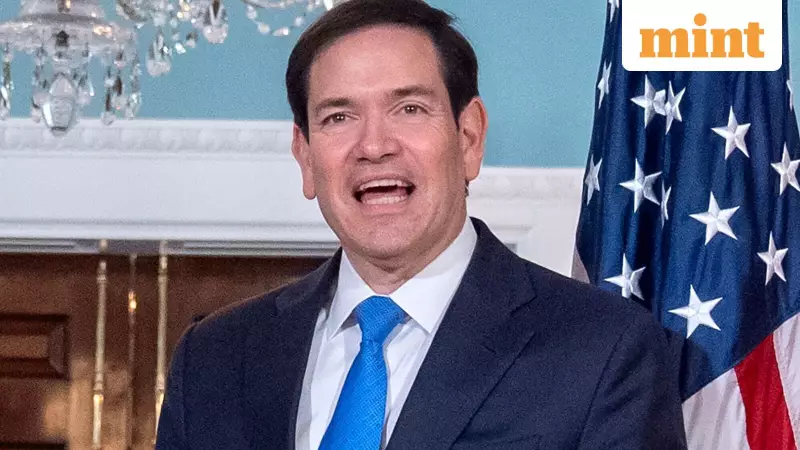
United States Secretary of State Marco Rubio has made a startling admission in a recent court filing. He stated that America currently does not know the whereabouts of 137 Venezuelan nationals. These individuals were deported from the United States under the provisions of the Aliens Act.
Deportation to a Notorious Prison
The group of Venezuelans faced deportation in March of this year. They were sent directly from the United States to a prison facility in El Salvador. This prison has a well-known reputation for harsh conditions. Critically, the migrants did not receive any advance notice about their removal. They were also denied a legal opportunity to object to their deportation.
In his formal statement to the court, Secretary Rubio was blunt. "Given the passage of time, the U.S. government does not know—nor does it have any way of knowing—the whereabouts of class members," he wrote. He further explained that officials cannot confirm if anyone has left Venezuela or if the former Maduro regime detained them again.

Legal Challenges Amid Political Upheaval
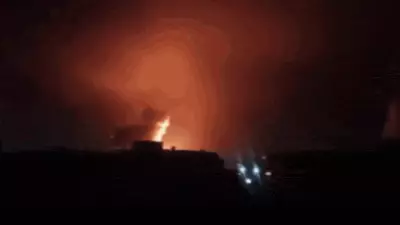
This disclosure arrives just days after significant American military action in Venezuela. The United States launched strikes and successfully unseated the country's leader, Nicolas Maduro. This action has opened the door for deeper American involvement in Venezuelan affairs.
Rubio informed the court that the chaotic situation inside Venezuela made legal processes impossible. Following the capture of Maduro, the country entered a "fluid situation." He argued that providing deported migrants a chance to fight their removal was simply not "feasible" under these circumstances.
A United States judge had previously ruled in December. The order stated that approximately 137 migrants must be allowed to challenge their deportations from March retroactively. However, Justice Department officials filed a response late Monday. They claimed holding video hearings for the men still in Venezuela would create "insurmountable legal and practical obstacles."
The officials also warned that any attempt to bring the migrants back to the US would disrupt sensitive negotiations. These talks are ongoing with the new post-Maduro government. Rubio strongly argued that revisiting the deportation issue now carries a high risk. It could cause "material damage to US foreign policy interests in Venezuela."
Trump's Declared Role in Venezuela
The backdrop to this migrant crisis involves bold statements from former President Donald Trump. Just a few days ago, Trump announced that the United States will "run Venezuela" for the foreseeable future. He stated this control would continue until a "safe, proper and judicious transition" of power can be guaranteed.
"We can't take a chance that someone else takes over Venezuela who doesn't have the interests of Venezuelans in mind," Trump had said.
He took this declaration a step further on his social media platform, Truth Social. On Sunday, he posted an official portrait of himself. The image listed his designation in a provocative manner. It identified him as the "Acting President of Venezuela, Incumbent January 2026." The post also noted his status as the 45th and 47th President of the United States, who assumed office on January 20, 2025.
The Capture of Maduro and New Leadership
The United States carried out military strikes in Venezuela on January 3. The operation led to the capture of the country's leader, Nicolas Maduro, and his wife, Cilia Flores. Both were flown to New York City. There, a grand jury indicted them on serious charges of narco-terrorism conspiracy.
With Maduro removed, Venezuela's vice president and oil minister, Delcy Rodriguez, was formally sworn in last week. She now serves as the country's interim president, leading the nation during this period of American oversight.
The fate of the 137 deported Venezuelans remains a pressing and unanswered question. Their disappearance highlights the complex human consequences of rapid geopolitical change and aggressive foreign policy.