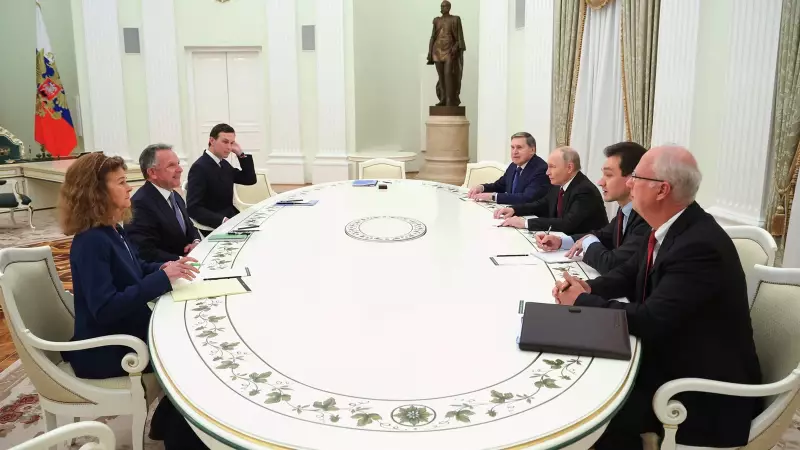
In a significant diplomatic development, the Kremlin has characterized recent high-level discussions between the United States and Russia regarding a potential peace plan for Ukraine as 'constructive'. However, Moscow has firmly stated that no compromise was reached on the critical issue of territory, a core point of contention in the ongoing conflict.
Constructive Dialogue But Core Disagreements Remain
The talks, which took place recently, involved discussions on a proposed peace blueprint for Ukraine. Kremlin spokesman Dmitry Peskov confirmed the engagement, noting that the dialogue was substantive. 'The conversation was constructive,' Peskov stated, acknowledging the effort from both sides to engage on the complex issue.
Despite the positive tone regarding the process, the outcome highlighted the vast gulf between the positions of Washington and Moscow. The central obstacle remains the status of territories within Ukraine's internationally recognized borders that Russia now claims to have annexed. Peskov was unequivocal, emphasizing that 'there can be no compromise on matters of principle' concerning these territorial claims.

Putin's Conditions and the Swiss Conference
This diplomatic exchange occurs against the backdrop of Russian President Vladimir Putin reiterating his conditions for ending the war. Putin has consistently demanded that Ukraine relinquish its ambitions to join the NATO military alliance and withdraw its forces from four regions—Donetsk, Luhansk, Kherson, and Zaporizhzhia—which Russia declared annexed in 2022. These demands have been rejected by Kyiv and its Western allies as non-starters.
Simultaneously, the Kremlin commented on the upcoming peace conference in Switzerland, to which Russia has not been invited. Moscow dismissed the gathering's potential, arguing that any serious discussion without Russia's participation is futile. This stance underscores Russia's insistence on being a central party to any negotiations that will determine Ukraine's future.
Implications for the Path to Peace
The latest round of US-Russia talks reveals a stark reality: while channels of communication remain open and are deemed useful, the fundamental disagreements that fuel the war are unresolved. The Kremlin's statement reinforces that its territorial objectives, which most of the world considers illegal, are not open for negotiation from its perspective.
This creates a significant dilemma for international peace efforts. On one hand, dialogue is essential to prevent escalation and explore potential off-ramps. On the other, the core issue—Ukraine's sovereignty and territorial integrity—appears to be a line in the sand for Moscow. The outcome suggests that a breakthrough in peace negotiations remains distant, as neither side shows willingness to bend on their most crucial demands.
The situation leaves Ukraine and its Western partners in a challenging position, balancing military support for Kyiv with exploratory diplomacy, all while Russia consolidates its hold on occupied regions. The world watches to see if these 'constructive' but inconclusive talks will eventually pave the way for more substantive negotiations or simply solidify the current deadlock.