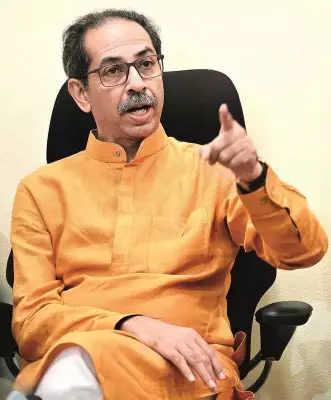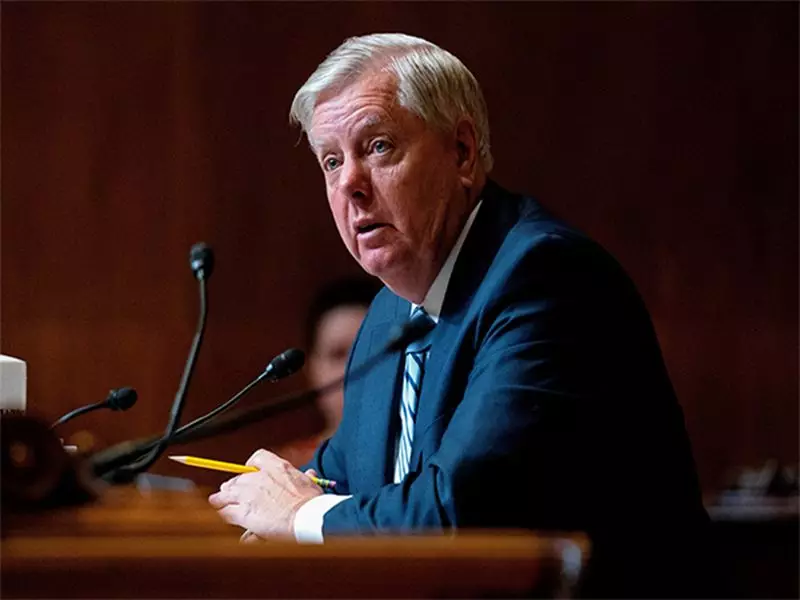
In a revelation that could add a new layer of complexity to India-US diplomatic ties, prominent Republican Senator Lindsey Graham has made a significant claim. He stated that India's Ambassador to the United States, Taranjit Singh Sandhu, suggested a direct link between India reducing its purchases of Russian oil and the US providing relief on certain tariffs imposed on Indian goods.
The Allegation from Capitol Hill
Senator Graham, a senior figure on the Senate Foreign Relations Committee, shared this account during a recent interaction. He recounted a conversation where Ambassador Sandhu reportedly connected the two issues. According to Graham, the Indian envoy's message was clear: if the United States wanted India to decrease its reliance on Russian crude oil, it should consider offering concessions on tariffs affecting Indian exports.
This exchange is said to have taken place amidst ongoing discussions between the two nations on a range of strategic and trade matters. The context is crucial: following Russia's invasion of Ukraine, Western nations, led by the US, have pressured countries globally to limit economic engagement with Moscow, especially in the energy sector. India, however, has continued to import Russian oil at discounted rates, citing its energy security needs.

India's Stance and the Broader Context
India has consistently defended its position on Russian oil imports, emphasizing its sovereign right to secure the most affordable energy for its growing economy. Officials have argued that a sudden halt would disproportionately hurt the Indian consumer and cause global oil prices to spike further, benefiting Russia.
On the other side of this equation are the US tariffs. The United States has, over recent years, applied or threatened tariffs on various Indian products, such as steel, aluminum, and certain agricultural goods. These measures have been a point of contention in bilateral trade talks. The alleged proposition, as presented by Senator Graham, frames these two distinct issues—energy policy and trade tariffs—as potential bargaining chips in a larger negotiation.
The claim brings to light the delicate diplomatic balancing act India is performing. It must maintain its strategic autonomy and economic interests while nurturing its critically important partnership with the United States. A direct quid-pro-quo proposal, if confirmed, would mark a notably blunt approach in these sensitive discussions.
Potential Repercussions and the Road Ahead
Senator Graham's public disclosure of a private diplomatic conversation is significant in itself. It could influence the tone of upcoming dialogues and potentially harden positions within certain quarters of the US political establishment. Lawmakers who are already skeptical of India's stance on Russia may view this as confirmation of a transactional approach.
For the India-US relationship, which has seen remarkable growth in defense and strategic areas, such public airing of disagreements on trade and Russia policy presents a challenge. It underscores that despite the convergence on issues like the Indo-Pacific, differences on specific economic and geopolitical matters persist and require careful management.
The Indian government has not officially commented on Senator Graham's specific claim at this time. The focus from New Delhi will likely remain on explaining the fundamentals of its energy policy and seeking constructive solutions to trade disputes. The incident highlights the intricate and sometimes fraught nature of diplomacy between two major democracies, where private discussions can suddenly become public fodder, testing the resilience of the partnership.