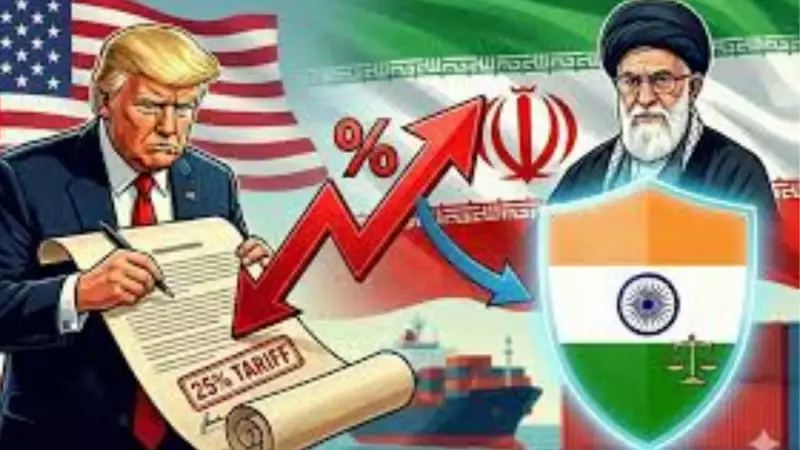
Government sources in New Delhi have responded to the White House announcement on Iran with measured analysis. While India has not issued an official statement, officials familiar with the matter say the new 25% tariff on Iranian trade partners will likely create minimal disruption for India.
Trade Figures Tell the Story
A government source provided clear numbers to support this assessment. "Last year, India's total trade with Iran reached $1.6 billion," the source explained. "This represents approximately 0.15% of India's total global trade volume." The official further noted that Iran does not rank among India's top fifty trading partners worldwide.
Trade between the two nations is already expected to decline during the current financial year. External economic factors are driving this downward trend regardless of the new tariff measures.

Specific Export and Import Patterns
Indian exports to Iran follow distinct patterns. Rice, tea, sugar, and pharmaceutical products constitute major shipments heading to Iranian markets. On the import side, India primarily receives dry fruits, various chemicals, and glassware from Iran.
Basmati rice stands out as a particularly significant export commodity. Data reveals basmati formed the backbone of trade between the countries last year, with $753 million worth exported to Iran. This made Iran the third-largest market for Indian basmati, trailing only Saudi Arabia and Iraq, which together imported $850 million worth.
Broader Diplomatic Balancing Act
The new tariffs nevertheless introduce complications for India's carefully calibrated foreign policy. Officials must now navigate between preserving access to the enormous $27 trillion United States market and maintaining long-standing diplomatic and economic ties with Iran.
This challenge comes atop existing trade pressures. India already faces a 25% tariff for purchasing Russian oil. Combined with the new measure, this could potentially push tariffs on many Indian exports to the United States as high as 75%.
Chabahar Port Considerations
Indian officials express some concern about potential impacts on the Chabahar port investment. However, sources indicate the port is already operating under restrictions. These limitations followed last year's revocation of a sanctions waiver by the United States.
Despite these challenges, India has remained an important trading partner for Iran. This continued even after India ceased crude oil procurement from Tehran under pressure from US authorities.
Industry Response and Outlook
Initial reactions from Indian exporters appear largely unconcerned. Most sectors, with the notable exception of basmati rice traders, do not anticipate significant disruption from the new tariff structure.
The overall assessment suggests India will weather this latest development in international trade relations with minimal economic disturbance. The country's trade relationship with Iran represents a relatively small component of its global economic engagements.